Myka Fluri Collection: The Filipina Fashion Brand Empowering Women Across Borders
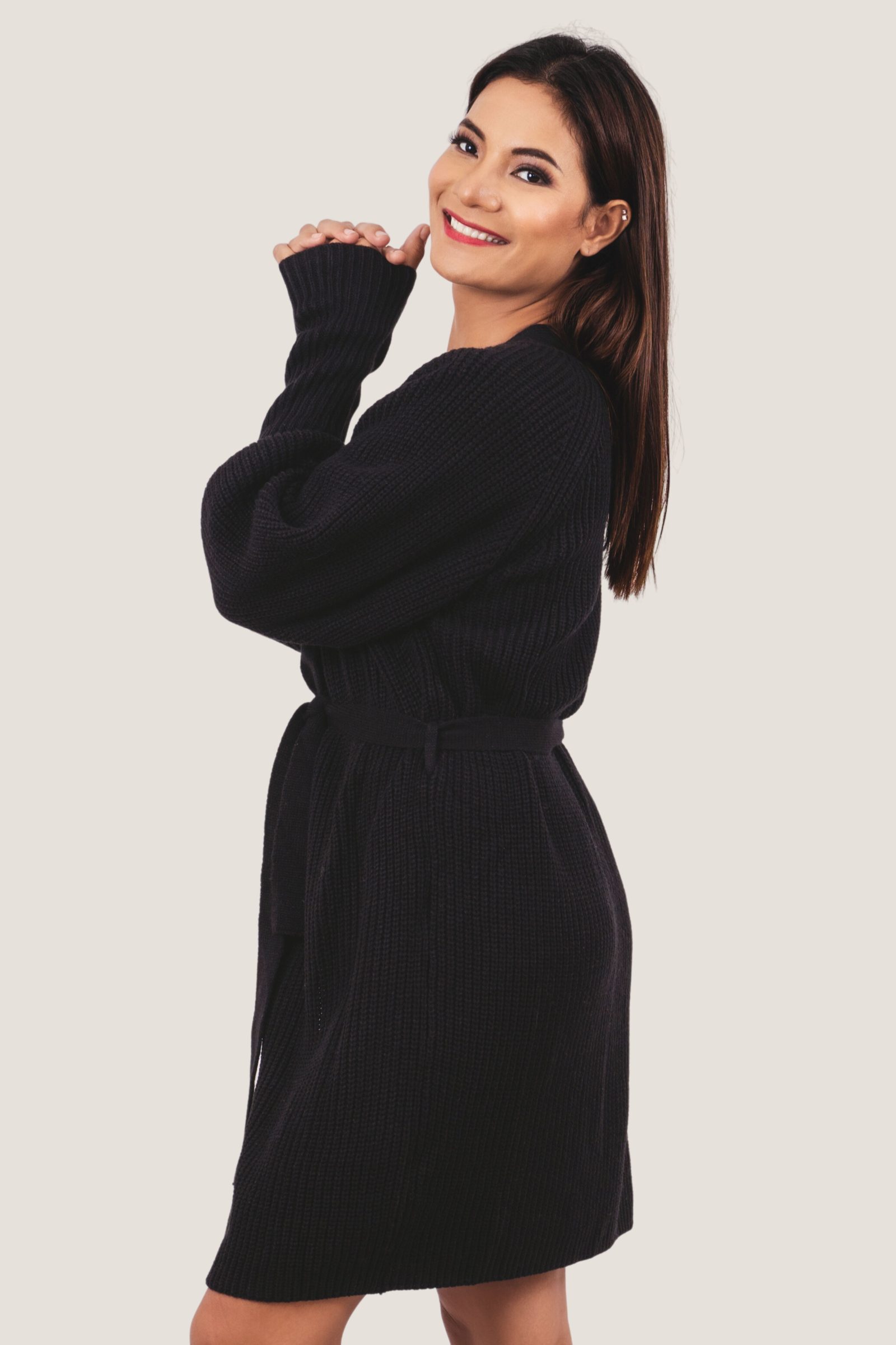
Having experienced homesickness, difficulties with cultural adjustment, and the struggles of establishing herself in Switzerland, Myka decided to make the best out of her situation. From the need for self-expression and creation of something that would reflect her personality came a fashion brand that offers much more than just the timeless and minimalist clothing lines.
Fashion and fitness kept Myka Fluri from packing up her bags and leaving Zurich. The mother of two kids, then aged one and three, struggled with the cold Swiss winters, social isolation, and the language barrier when she arrived in Europe. It felt worlds apart from the tropical bliss of her hometown, Bansud, Mindoro, and a stark contrast to the bustling city life she had in Singapore, her previous home base.
It turned out that all she needed was a little breather. Myka and her husband decided to put the kids in a daycare center for a few hours each week so the young mom could take a break. She spent those precious me-time hours doing sports and brainstorming ideas on what to pursue. “I was close to giving up. I was always crying and I wanted to go home. But I realized that if I couldn’t help myself get out of my struggle and misery here, I wouldn’t survive. I had to do something. It was also during that break I realized that I actually liked it here,” Myka admitted.
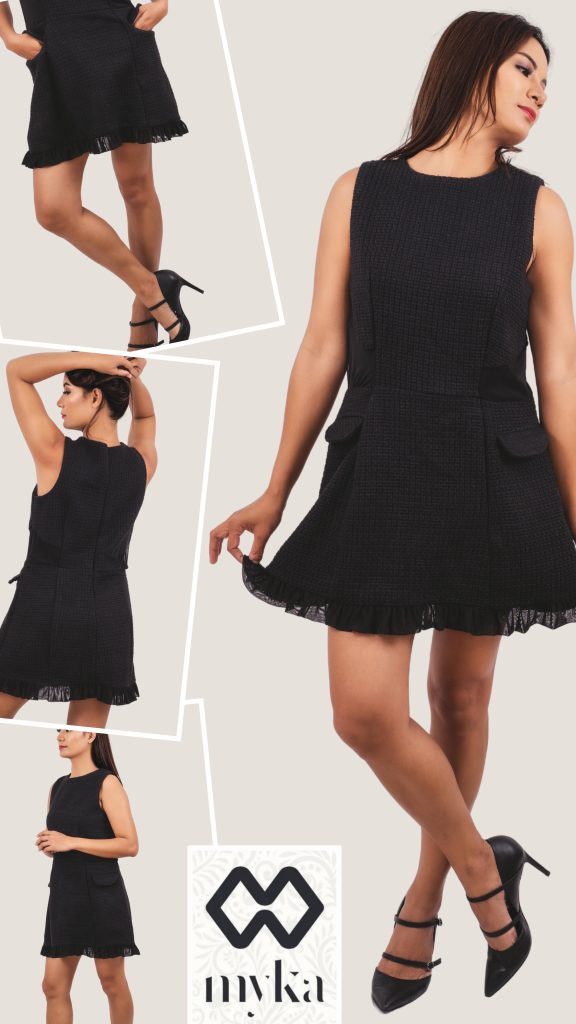
Easy to wear, easy to style clothes
With newfound determination, Myka channeled her creative energy into fashion. “I knew I had to make something. I had all the ideas in my brain that were just getting stuck. I also felt like something in me didn’t matter anymore. I was a mom, stuck in the house, doing nothing, battling this new world. So I thought about starting with a fitness collection.”
Myka’s brand sells closet classics and beautiful woven bags today, but this fitness buff’s first product was leggings. Myka’s take on sportswear is classic and chic, much like her whole brand’s DNA. Her elevated activewear easily doubles as comfortable athleisure pieces that you can wear even outside of the gym.
This former model’s expansion to dresses, tops, and accessories was the natural next step. “I didn’t study fashion, but I loved to make things using my old clothes. I was always a big fan of fashion and nice dresses. Whenever I go to another country, the first thing I do is look at the clothing shops. But I barely shop because I prefer making clothes myself. I just go to shops to look for inspiration.”
Aside from trips to the stores, Myka doesn’t have to look very far when it comes to imagining new ideas for designs. Her own closet, her friends’ closets, and what people wear on the streets are all ripe pickings for inspiration. “I like to people-watch in busy parts of the city and study what they’re wearing. I think about what outfit would best fit them. What would make it more chic? What clothes would match that body type? Then I’d think of ways to improve that.”
Being in touch with what people wear in real life helps her come up with mix-and-match pieces that make great building blocks for a capsule wardrobe, and her clients love this versatility. The proof? She just sold out their latest collection of loungewear. Google reviewers praise not only the designs but the affordable price points, too. Myka describes her brand’s style as minimalist, chic, and with few prints and few fussy details. “It doesn’t show a lot of skin, but I look for ways to make the designs a bit more playful. I want to make simple, timeless clothes that are stylish, but not boring.”
I knew I had to make something. I had all the ideas in my brain that were just getting stuck. I also felt like something in me didn’t matter anymore. I was a mom, stuck in the house, doing nothing, battling this new world. So I thought about starting with a fitness collection.
Myka Fluri
A Filipina expat supporting Filipinas
This fashion creative had an insider look at the manufacturing side of fashion early on. As a child, she recalled how her older sister Elizabeth Frago brought home clothes and “retasos” (fabric scraps) from work. “I was around 8 or 9 when my sister started working for factories in Batangas that made clothes for big, international brands. When she came to Bansud during the weekends, she brought clothes and I helped her finish them at home. She taught me hand-sewing techniques.”
The retasos would be recycled into towels, rugs, or even dresses. “I consider my sister as one of my fashion inspirations because she showed me that you can create new things from leftovers,” she continued.
That sneak peek influences her production today. Myka, along with two fashion designers, come up with the ideas first, then a team of stay-at-home moms in the Philippines brings them to life. “Elizabeth is now in charge of overseeing the manufacturing in San Jose, Batangas. We have a few sewing machines in our small manufacturing area, and we also distributed some machines to a few mothers who need work in the neighborhood,” Myka said.
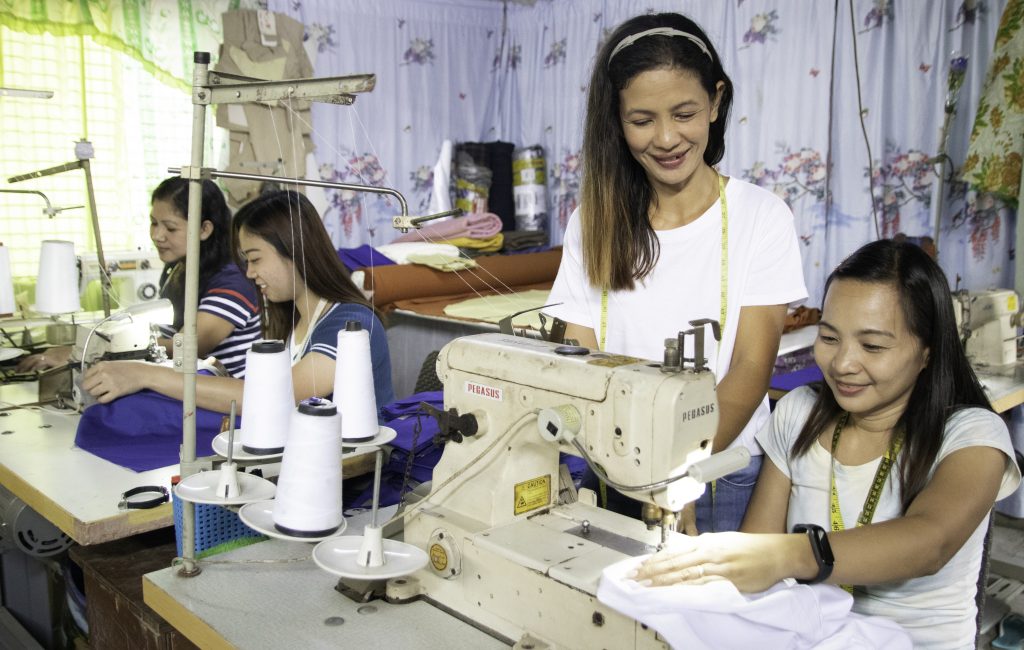
This setup brings the work to these women’s doorsteps, giving them a livelihood without the hassle of a daily commute. “They receive the clothes and they send it back to us. One mom does the buttons, then she forwards it to another who does the zippers and pockets, then someone does quality control,”Myka explained. Collections are done in small batches, with only 12-18 pieces per design. It’s also important to Myka that every bit of fabric is used, unlike the mass-produced operations with plenty of leftovers she saw growing up.
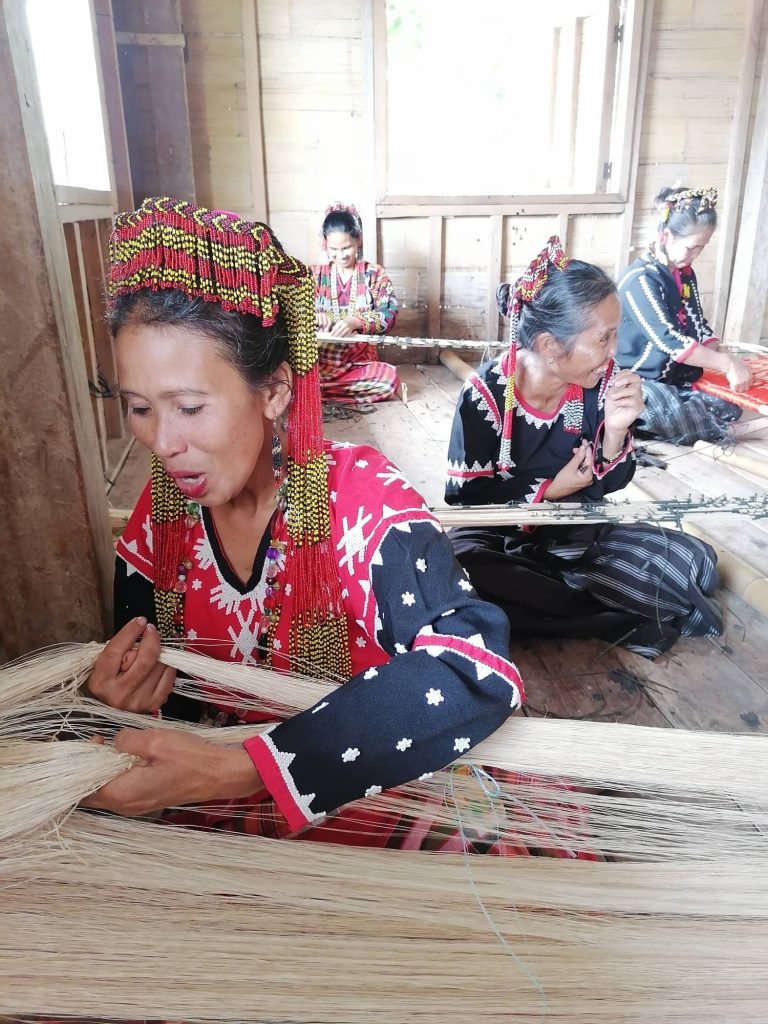
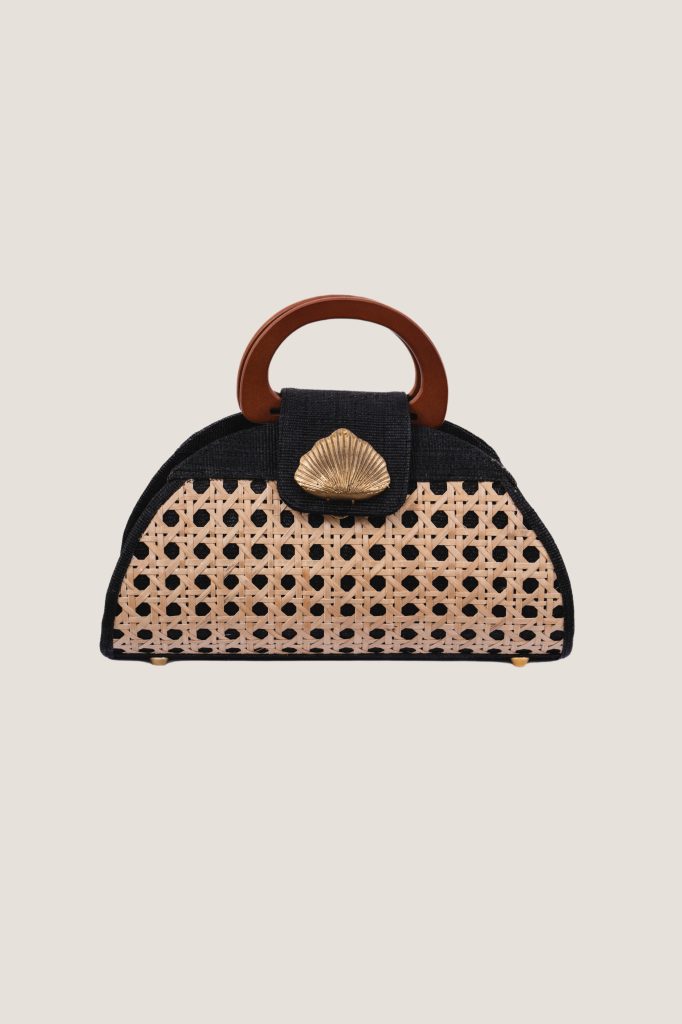
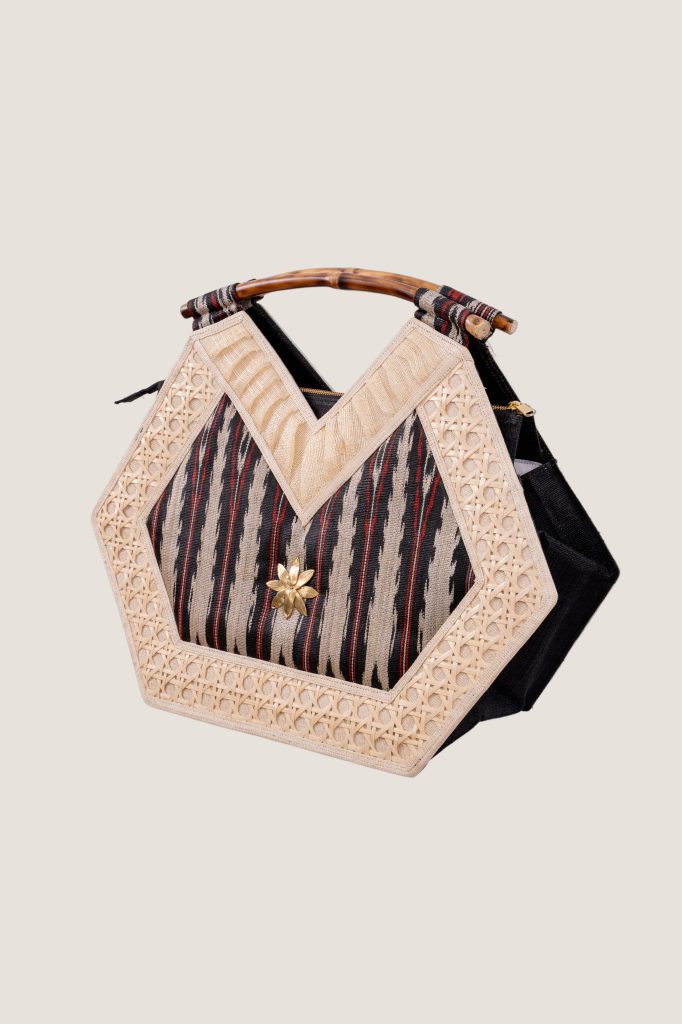
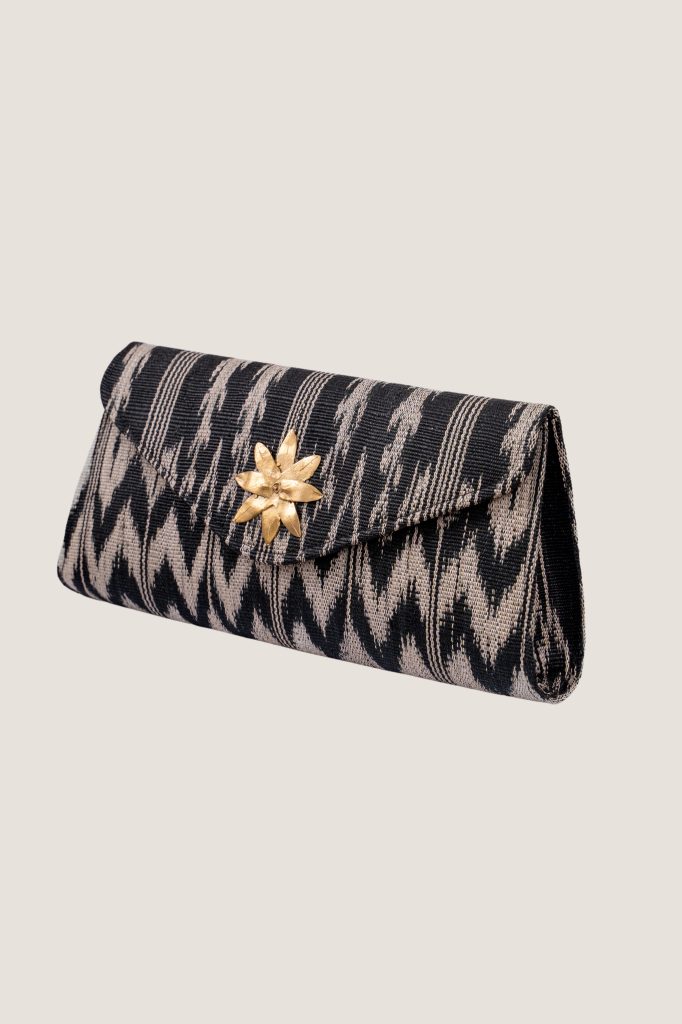
Aside from the team in San Jose, she also collaborates with T’boli weavers for the T’nalak bags with brass and Solihiya rattan details. “For our bags, I wanted the same concept of a small batch production by women. I found this cooperative in Cotabato. When I spoke to the coop manager over video, I saw how the women worked on the bags with so much care and attention to detail. I collaborate with them for the design and they send it here.”
The brand’s social impact goes beyond empowering women- it reaches the next generation too. A portion of the company’s earnings supports 10 young scholars from the Mangyan tribe in Oriental Mindoro.
What's Your Reaction?