A retired Filipino researcher presents the First Filipino Photographer to the world.
Canada-based researcher Frank Villanueva never imagined that a chance encounter with a 1895 panoramic photograph of Iloilo’s Plaza Libertad by an unknown Filipino photographer would give his retired life a bit of twist. On that day in 2010 at the Museo Oriental in the Agustinian Monastery Valladolid, he discovered Felix Laureano. “When Fr. Policarpo showed me the photo, I got so intrigued by this photographer from Antique. It was the first time I heard his name,” relates Frank.
But there was no available information about Laureano´s life and career online. So when Frank got hold of a copy of Laureano´s photo book Recuerdos de Filipinas through a cousin, he knew he was on a mission.
He is not only a photographer. His book has photos and essays that narrate Filipino customs.The book is an ethnological and anthropological document. Sadly, nobody in Manila knew who he was. They thought he was a Spaniard.
Frank Villanueva
Frank was determined to uncover the real Felix Laureano. He embarked on a journey to the Philippines, the United States, and Spain to gather more information. When asked about his motives, he emphasized that he had no personal connection to Laureano and was not receiving any financial benefit from his research. “I do this for fun. I am retired now. As a matter of fact, I am using my own money on my research.”
Frank, an Ilonggo, was a history and communication arts professor at UP Iloilo College before he moved to Canada in 1973. His career in advertising spanned 30 years and after he retired in 2011, he dedicated his time to this project. I first met him in 2013 when he gave a talk on Laureano to a group of Filipino photographers in Barcelona. Over coffee, he shared his plan to mount a Laureano exhibit in the future.
For every visit to a museum, church, city archive, second-hand shop or an antique stand, he would always come out with legal documents like marriage, death certificates, testaments, protocolos and property records of Felix Laureano. “He was indeed a Filipino. I found his marriage certificate and his birthplace was written there.” Frank also got to meet Laureano´s descendants in Antique. “According to one of his grandnephews, when they were small, Laureano would visit them and he was a kind man.”
In Barcelona, Frank looked for the addresses of Laureano´s studios. He asked around, met some people. “One of them was Professor María de los Santos García Felguera, an art historian who was researching on Barcelona photographers. That is how she came across Laureano.” Maria would play a significant role in Frank´s research. “She was able to get a portrait photo of Laureano through his grandniece.”
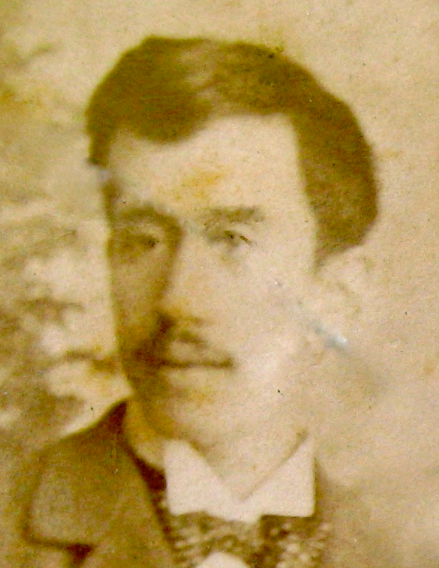
A friar´s son
Born in Patnongon, Antique in 1866, Felix Laureano was the son of a wealthy Filipina businesswoman and an Augustinian friar Manuel Asencio. He grew up in Bugasong, where his father served as a parish priest. Due to their delicate family dynamics, the Laureano siblings chose to use their mother’s surname. Laureano studied at the Ateneo Municipal de Manila in 1883.
“I don’t know how he got into photography but at that time there were two photographers Francisco Pertierra and Enrique Barreto. Laureano must have apprenticed to either one of them,” says Frank.
Laureano opened his first photo studio in Iloilo in 1886. A year later, he flew to Madrid to participate at the Exposición General de Filipinas and in 1888, he joined the Exposición Universal de Barcelona. He received Honorable Mentions in both events. Eager to expand his knowledge of photography, he decided to move to Paris. He was there during the 1889 Exposition Universelle, when the Eiffel Tower was inaugurated.
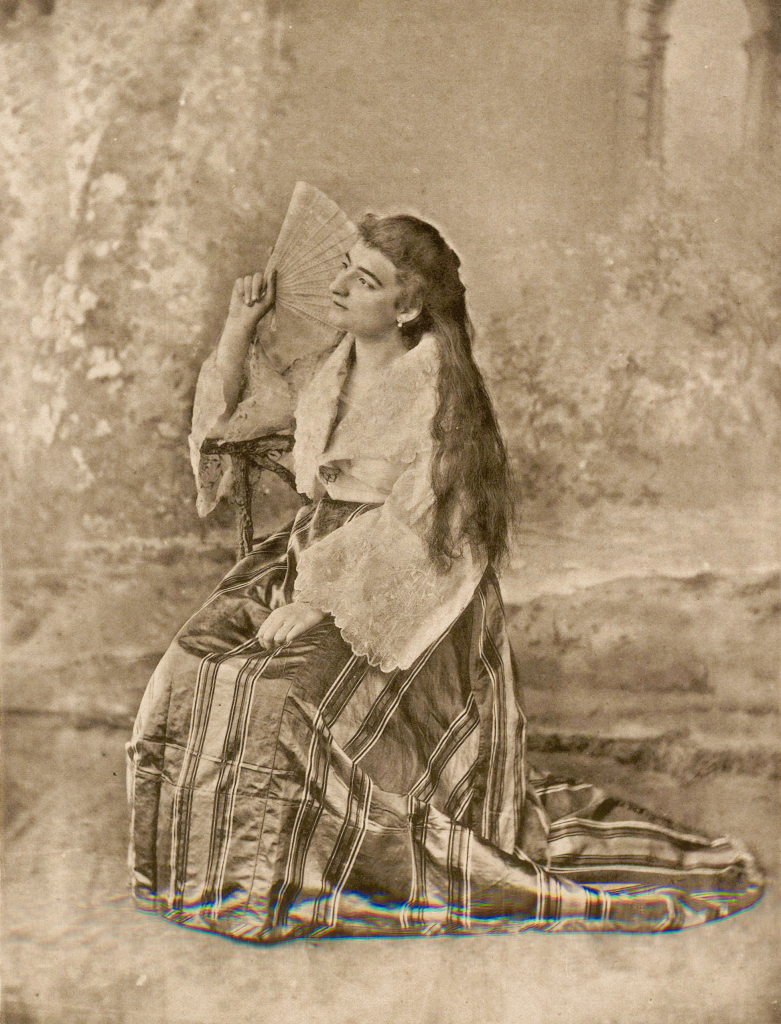
In 1892, he joined the first Expocisión Nacional de Industrías Artísticas in Barcelona where his work was noticed by La Vanguarda newspaper. A year later, he opened his first portrait studio Gran Fotografía Colón on Ramblas del Centro. He opened his second studio on Calle Ali Bey in 1899. Two years later, his third. His clientele included artists, musicians, and theatre actors.
The first photo book by a Filipino
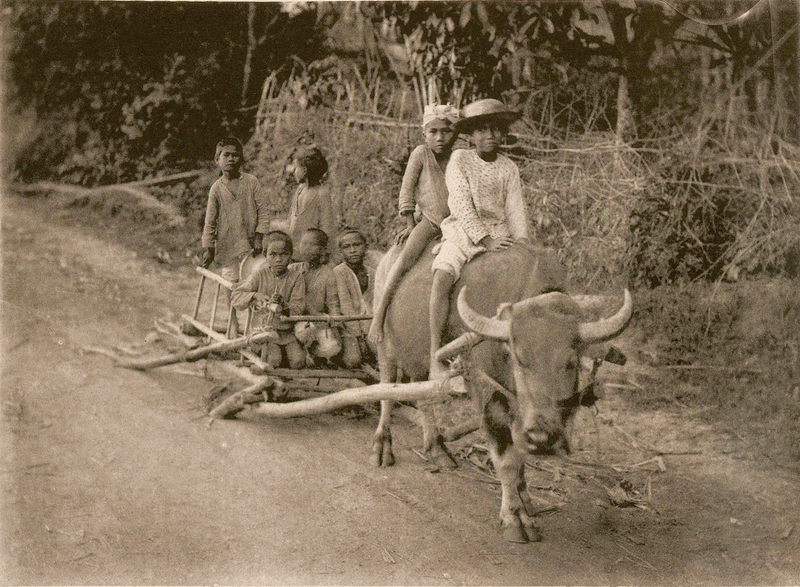
Now an established photographer in Barcelona, he decided to publish Recuerdos de Filipinos in 1895. The book featured 37 photos taken primarily in the Iloilo region of Panay Island, showcasing local customs, traditions, and sceneries. Unlike most foreign photographers who focused on Manila and Luzon, Laureano captured the region’s customs and natural beauty.
He depicted Filipinos with dignity. If you look closely at the photos, the Filipinos look really relaxed. He also took photos of festivals like Sinulog. People had ever seen photos of Sinulog until this book came out.
Frank Villanueva
Recuerdos de Filipinas was unique in its use of Hiligaynon and Spanish to depict rural Filipino life in the late 19th century. Laureano dedicated his book to Filipino painter Juan Luna and it was later exhibited at the Exposición Regional de Filipinas in Manila. Interestingly, It was published a year before the Philippine revolution broke out.
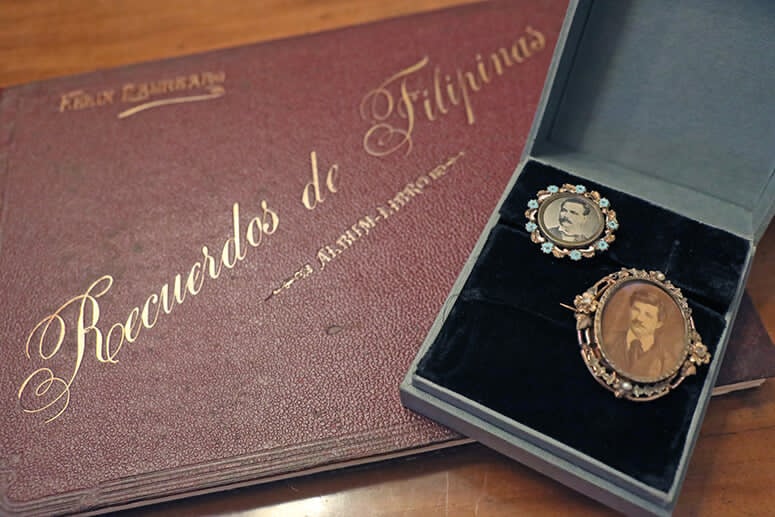
Being a friend of Juan Luna, was Laureano part of the propaganda movement? “I don´t know. But one thing I am sure of is that when he published his book, La Solidaridad mentioned him and when he opened his studio, the paper congratulated him too. Laureano was silent because his father was a friar,” explains Frank.
In 1897, Laureano married Ramona Pintos, 15 years his senior. They had no children. He became a press photographer in 1898, chronicling turning points in Philippine history. His works were featured in prominent Spanish illustrated publications including Ilustración Artística, Panorama Nacional, Ilustración Española y America, and Album Salon. Two of his color photographs graced in an 1899 issue of Album Salon, the first Spanish illustrated magazine in color. He covered the arrival of Spanish soldiers, popularly known as Los Últimos de Filipinas, who were besieged in Baler, Quezon.
“He was the first Filipino transnational Filipino photographer. He knew what was happening in the country.” During the Spanish-American War, Laureano was commissioned by Spanish the Naval Ministry to take photos of the Spanish warships at the Barcelona harbor.
In 1905, He leased his third studio to Miguel Aldrufeo and Emilia Sebastia Silva, who was from Jaro, Iloilo. Emilia was also a photographer and may have been the first Filipina photographer.
Years later, business became slow due to the popularity of Kodak’s Brownie camera which made photography more accessible. In 1928, Laureano’s first wife, Ramona, passed away. He later married Josefina Segarra, who gave birth to their son, Santiago. The Spanish Civil War forced him and his family to return to the Philippines.
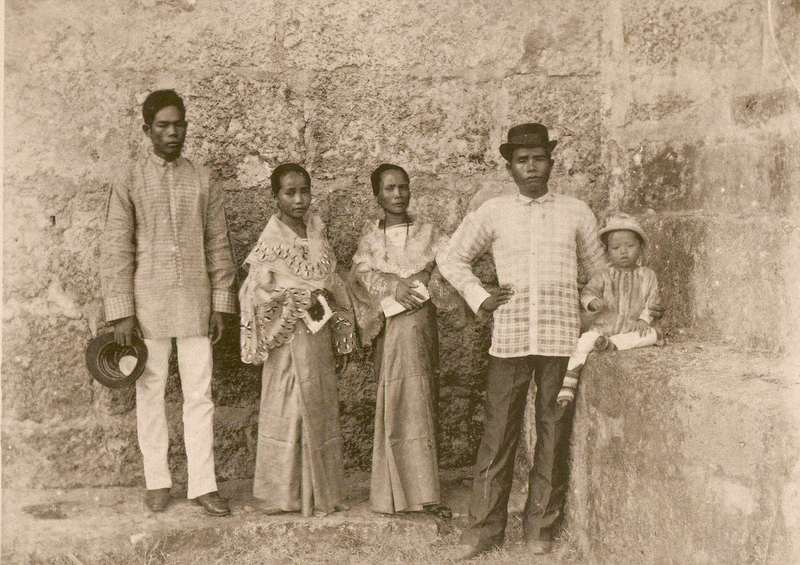
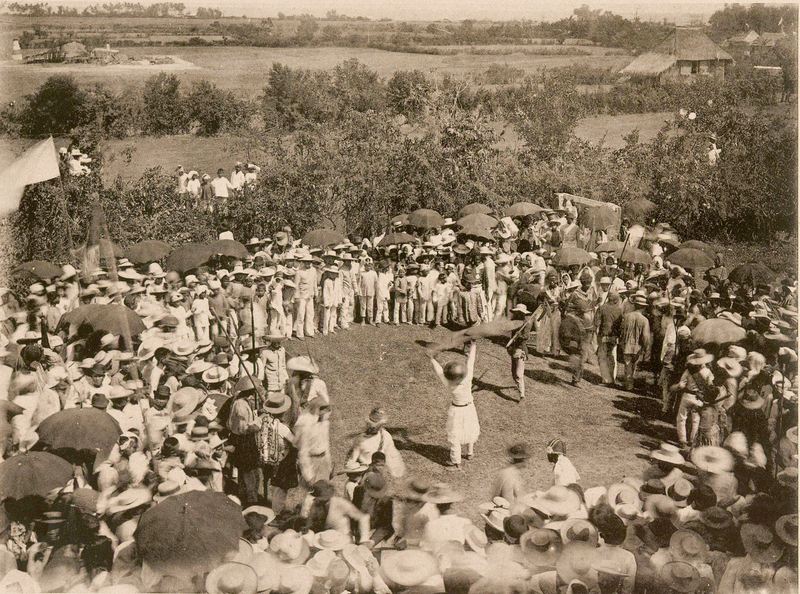
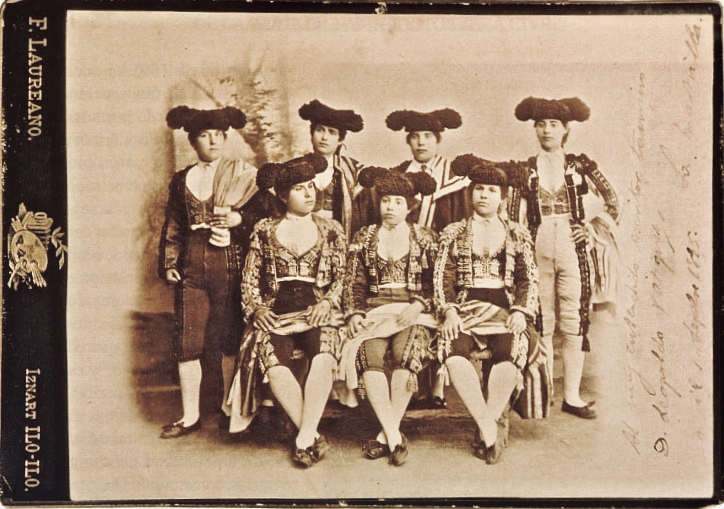
After the war, he made some brief visits in Barcelona, but finally settled in Manila until his death in 1952. He died of influenza at the age of 86 and was buried at the Makati municipal cemetery.
Laureano in the limelight
In 2015, Frank felt it was time for the world to know Laureano. “Bugasong to Barcelona: Life and Works of Felix Laureano, the First Filipino Photographer” opened in June at the University of the Philippines Visayas organized by the Chancellor’s Committee for Culture and the Arts and the Center for West Visayan Studies. The exhibit and symposium proved to be a success, attracting even young visitors. “The school children were amused seeing Filipinos 100 years ago who look like them.”
This was followed by an exhibition at the Filipinas Heritage Library in Makati in July-August, and in September at the Santa Barbara Centennial Museum in Santa Barbara, Iloilo. An updated version ran at the National Museum Western Visayas Regional Museum from August 2022 to August 2023.
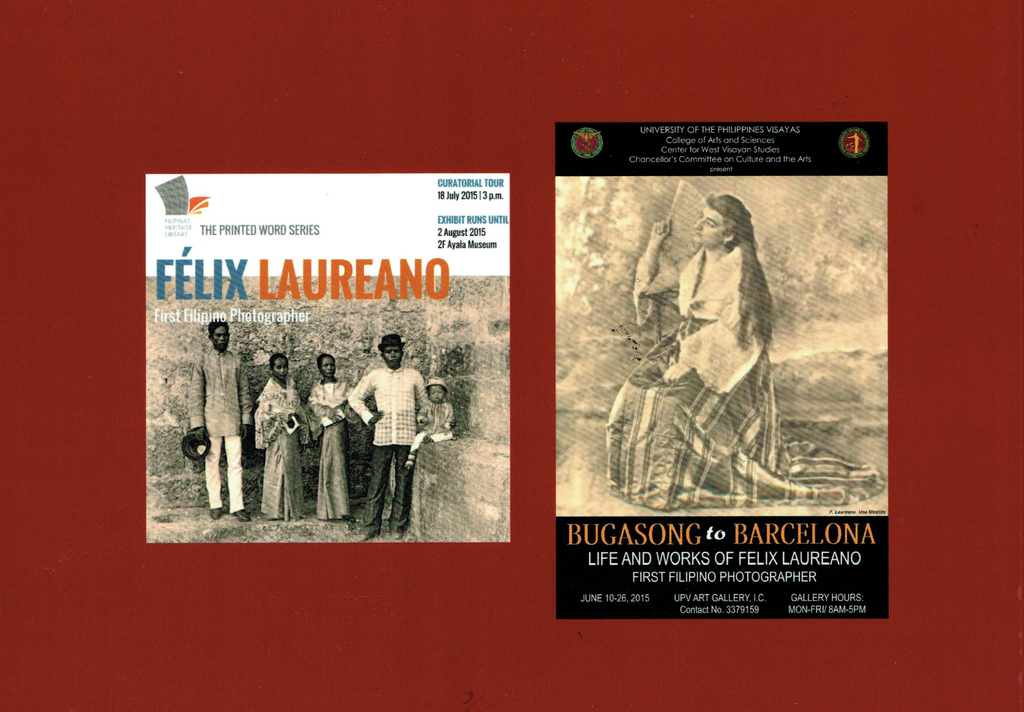
In Spain, a traveling version of “Bugasong to Barcelona” had a run in Biblioteca Hispánica in Madrid in 2022 and University de Alicante from December 1, 2023 to January 11, 2024 through the help of Dra. Maria Araceli Garcia Martin and Professor Isaac Donoso.
Frank had always dreamed of bringing Laureano to Barcelona, the city where Laureano had established himself as a successful Filipino photographer. After the pandemic, Frank made several trips to Barcelona, and during each visit, we would discuss plans for the exhibit. We approached various government agencies, even the Philippine Consulate Office in Barcelona. But our efforts were unsuccessful. Space and logistics were their main concern.
But a chance meeting with Fr. Lino de Castro, parish priest of La Parroquia de la Inmaculada Concepcion y San Lorenzo Ruiz in December 2023 led to a breakthrough. Fr. Lino immediately supported the project and offered San Agustin Church to be the venue. In February 2024, a huge suitcase containing 40 18×24 foam boards arrived in Barcelona from Alicante.

Finally, Laureano is back in Barcelona
On June 1, 2024, “Felix Laureano (1866-1952) From Bugasong to Barcelona: First Filipino Photographer.” was exhibited in Barcelona. The 12-day event was organized by The Filipino Expat Magazine and La Parroquia de la Inmaculada Concepción y San Lorenzo Ruiz. This event marks the culmination of Frank Villanueva´s decade-long work on this project.
Isn´t it curious? I discovered Laureano in an Augustinian monastery and 10 years later, I am presenting him in an Augustinian Church.
Frank Villanueva
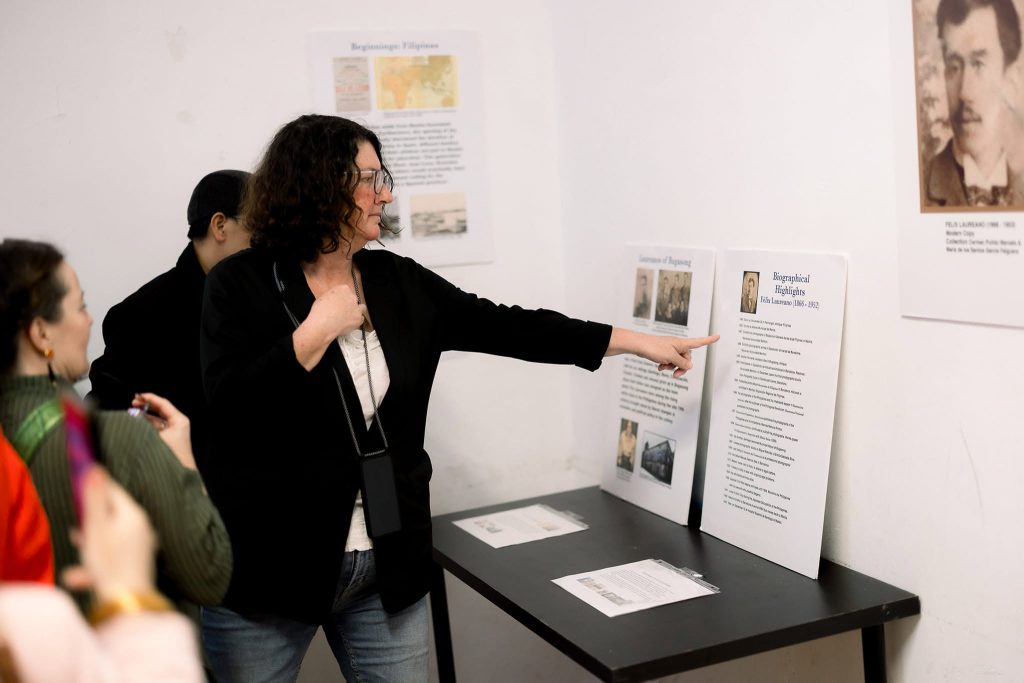
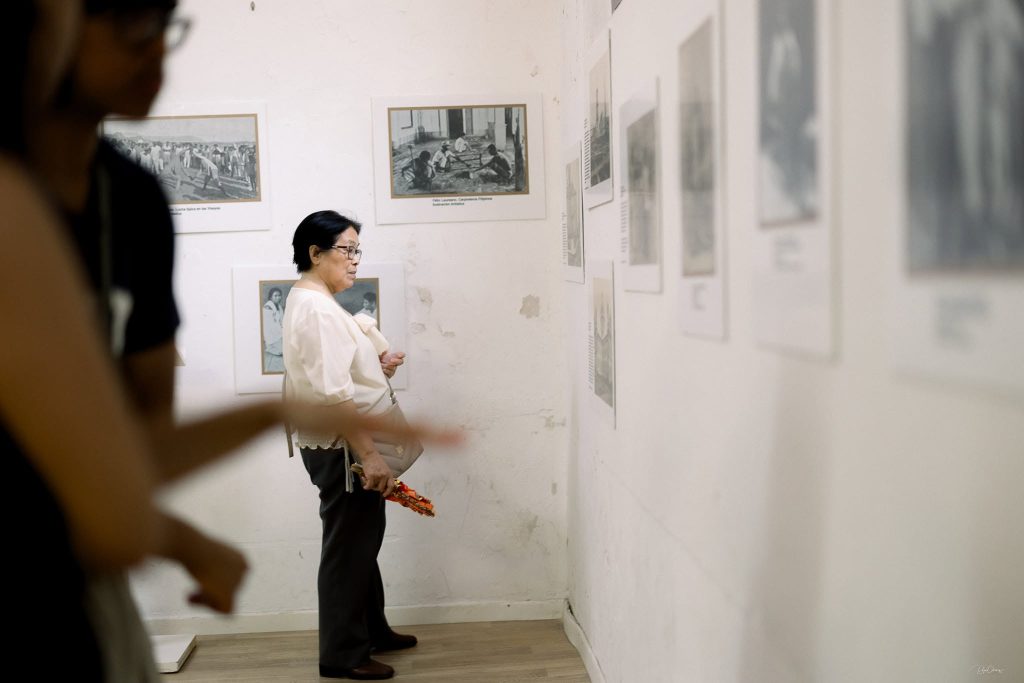
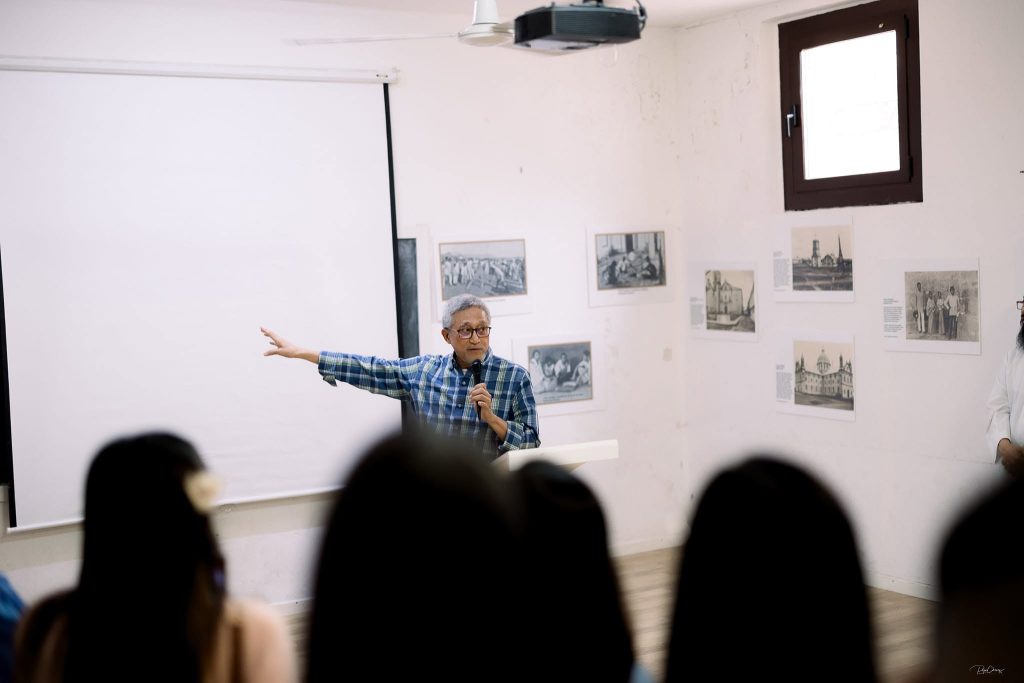
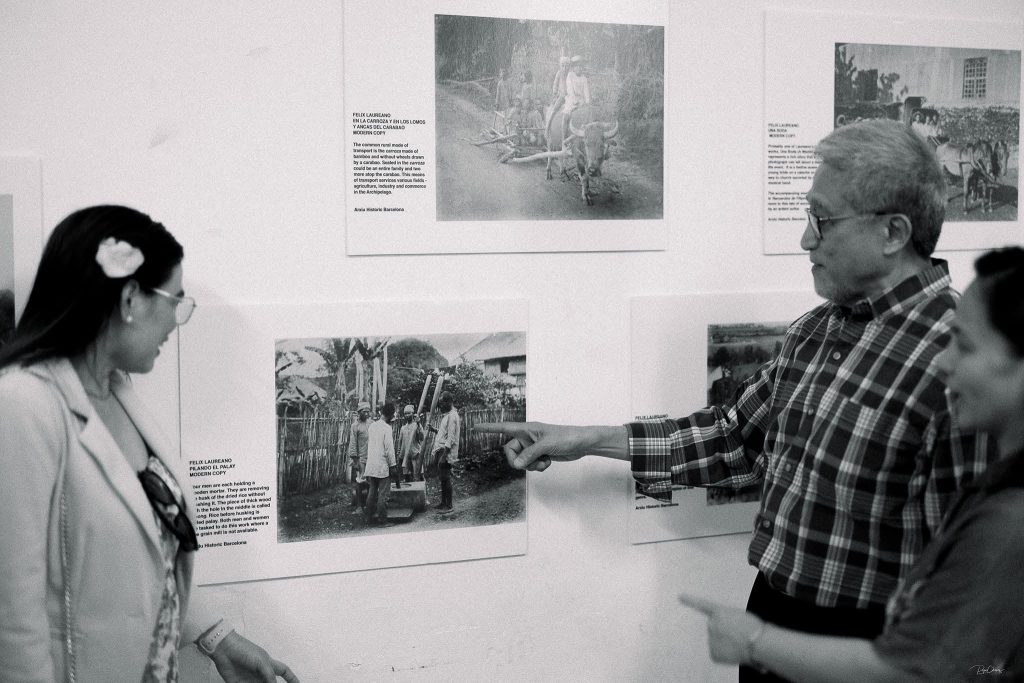
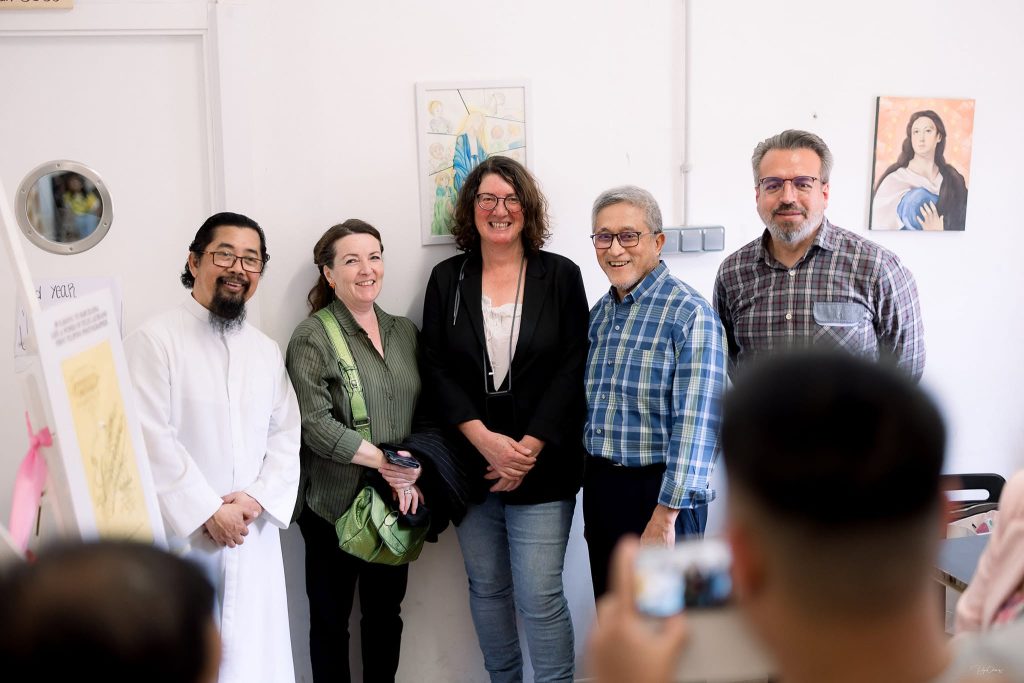
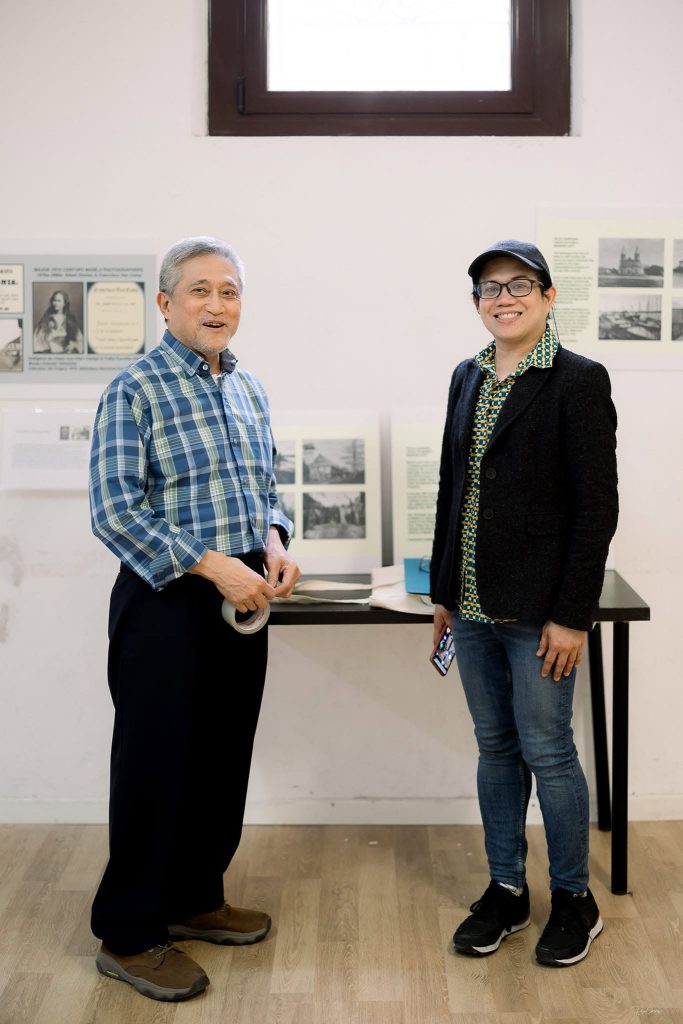
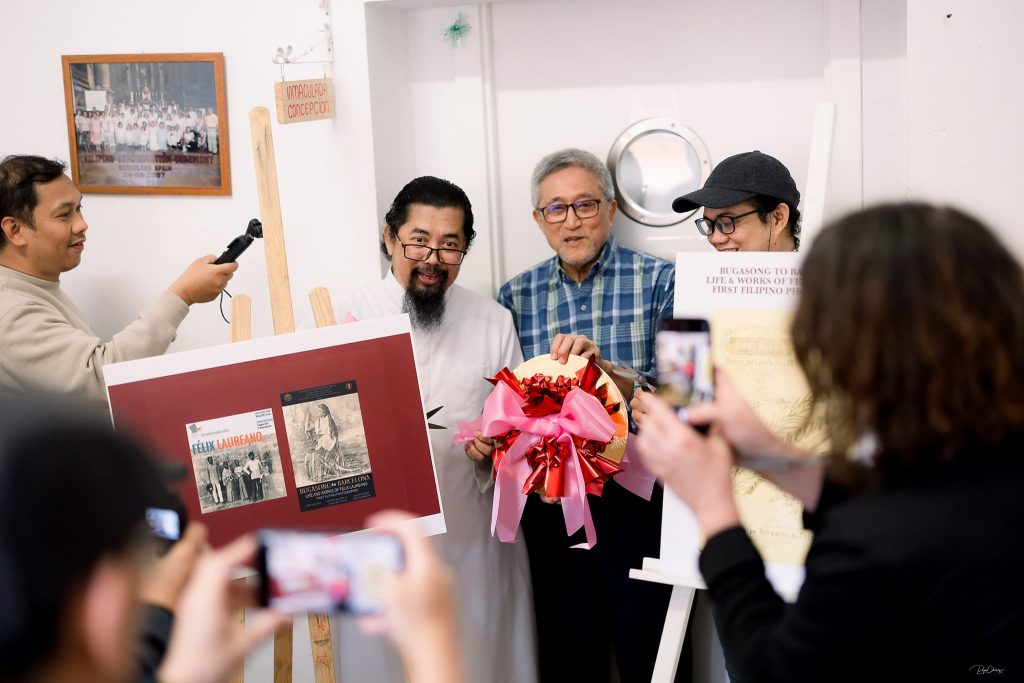
Various Filipino associations and cultural groups, as well as some photographers came to the opening. Also present were Luz Barcelo (who is originally from Bugasong and is now living in Barcelona), representatives from Casa Asia, Catalan writer Salvador Alegret, and the great grand niece of Dr. Jose Rizal, Didith Syquia.
Bringing back Laureano to Barcelona is both a great opportunity for our kababayans to connect with their heritage and for our Spanish friends to learn about the contributions of Filipino migrants to their city. It not only celebrates Laureano’s legacy but also serves as a link between the two cultures.
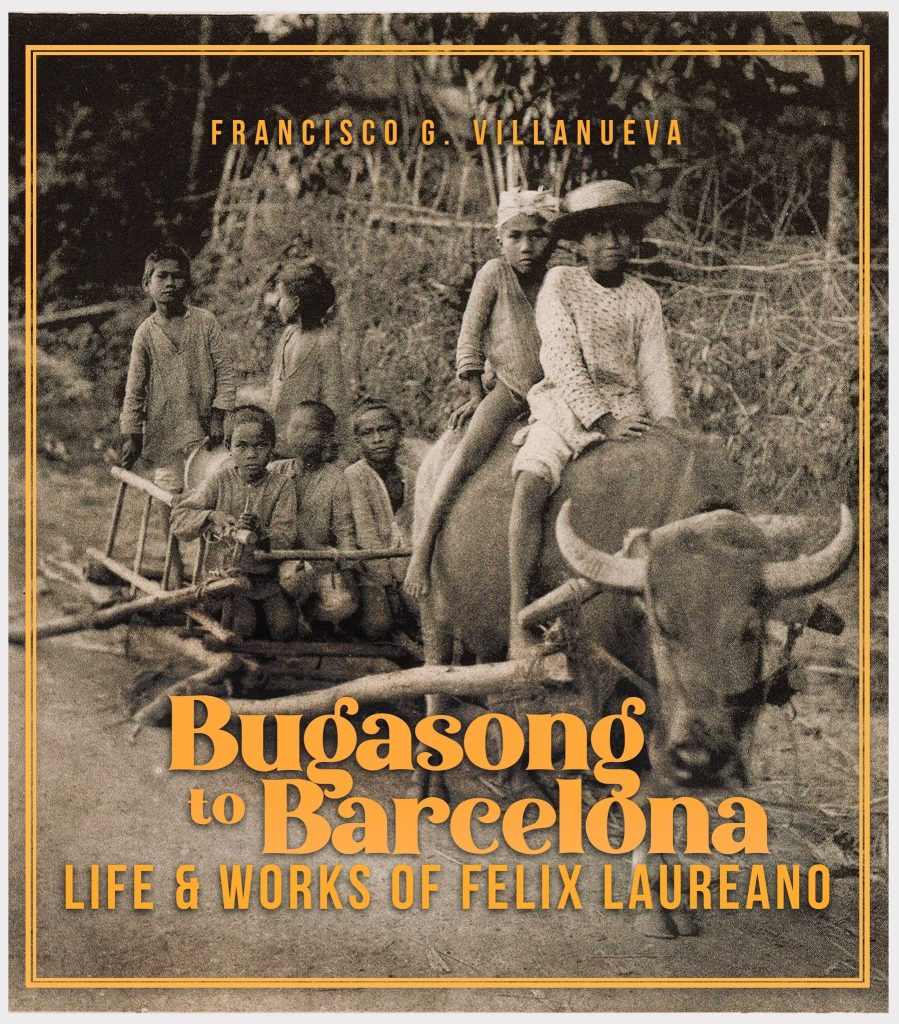
And now a book
The book version of Bugasong to Barcelona: Life and works of Felix Laureano was launched last July 26, 2025 at the University of the Phillippines Visayas, Iloilo City. Copies of the Felix Laureano book were donated to following libraries and museums for public access and reading.
Philippines:
National Library of the Philippines, National Museum of the Philippines Library, National Historical Commission of the Philippines Library, Filipinas Heritage Library, Instituto Cervantes Manila Library, Embassy of Spain in the Philippines. UPV Main LIbrary Miagao, UPV High School Library Iloilo City, UPV Center for West Visayan Studies, UPV Museum of Art & Cultural Heritage, Santa Barbara Centennial Museum, Iloilo Provincial Library & Archives, West Visayas State University Library, Central Philippine University Henry Luce III Library, Saint Vincent Ferrer Seminary Library
Spain:
Madrid: Biblioteca Nacional de España – Sala Goya, Museo Nacional de Antropologia – Library , Museo Nacional del Prado – Library & Archives, Universidad de Cumplutense -Facultad de Bellas Artes Library, Universidad de Cumplutense- FADOC Library,
Valladolid: Real Colegio de Padres Agustinos – Museo Oriental
Barcelona: Arxiu Historic de Barcelona, Arxiu Fotografic de Barcelona, Museu de les Artes Esceniques, Biblioteca de Catalunya, Parroquia San Lorenzo Ruiz y Imaculada Concepcion
Limited copies are available at: Yuchengco Museum Shop (Makati), Popular Bookshop (Tomas Morato, Quezon City), Baybayin Bookshop (Pasig), Lost Bookshop (Cebu) or contact bugasongtobarcelona@gmail.com
What's Your Reaction?