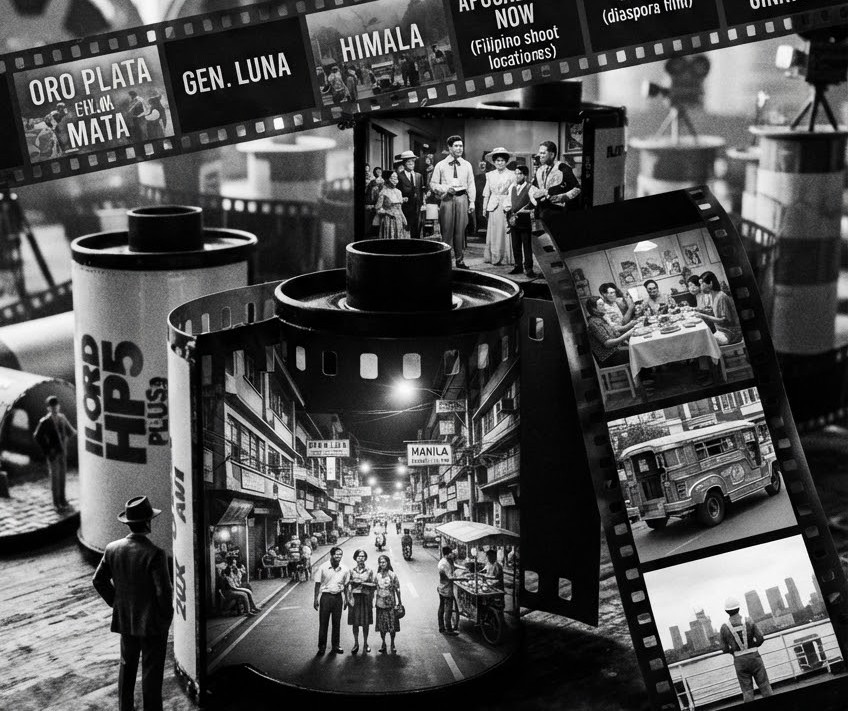
As we celebrate Philippine Film Industry Month, we turn our gaze away toward the global diaspora. From Spain and The Netherllands to Dubai, Canada, and the United States, we asked Pinoy expats around the world two simple questions: What is your all-time favorite Filipino film, and do you still watch Pinoy movies while living abroad? The responses reveal a vibrant mixture of nostalgia, critical appreciation, and emotional survival.
For many, favorite films serve as emotional anchors to a childhood left behind or milestones of personal growth and migration.
May Imperial (Spain) embraces the bittersweet realities of romance and migration, citing modern favorites like Starting Over Again (2014) and In My Life (2009). Explaining her deep connection to these themes, she shares, “First love never dies; nararamdaman mo yung may konting regret for leaving the person you love, but because God’s going to give you the right person for you in the end. The movie for me is choosing stability and forgiveness as well.”
Regarding In My Life, she adds, “It’s a true-to-life situation. Some Filipinos want or have the dream to go abroad to work, to be with their families, but sometimes magugulat na lang sila the way how they live, and they have to adjust sa buhay abroad.”
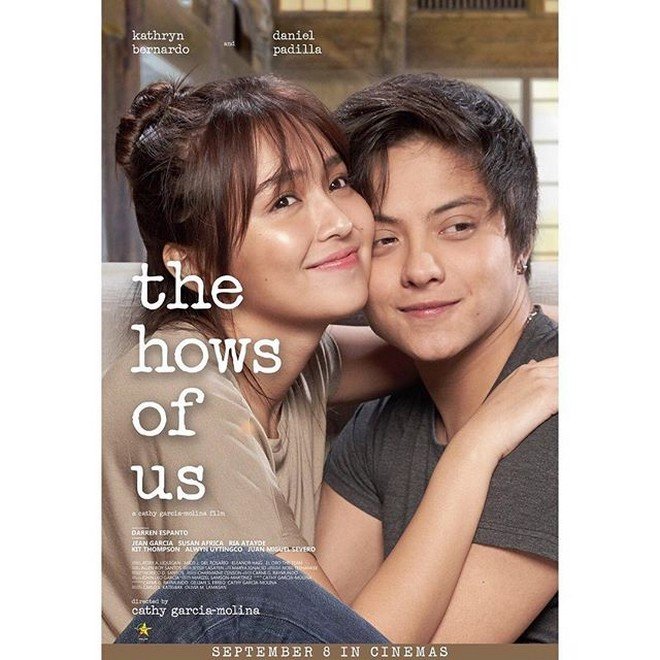
Lauren Yap (Spain) finds profound comfort in The Hows of Us (2018), praising its raw, understated depiction of a long-term relationship, “I love The Hows of Us because it feels very real and relatable. I especially love Kathryn Bernardo’s acting. Her expressions, the way she delivers her lines, and even her silences make the emotions feel genuine and understated. It felt less like watching a movie and more like watching two real people trying to figure each other out.”

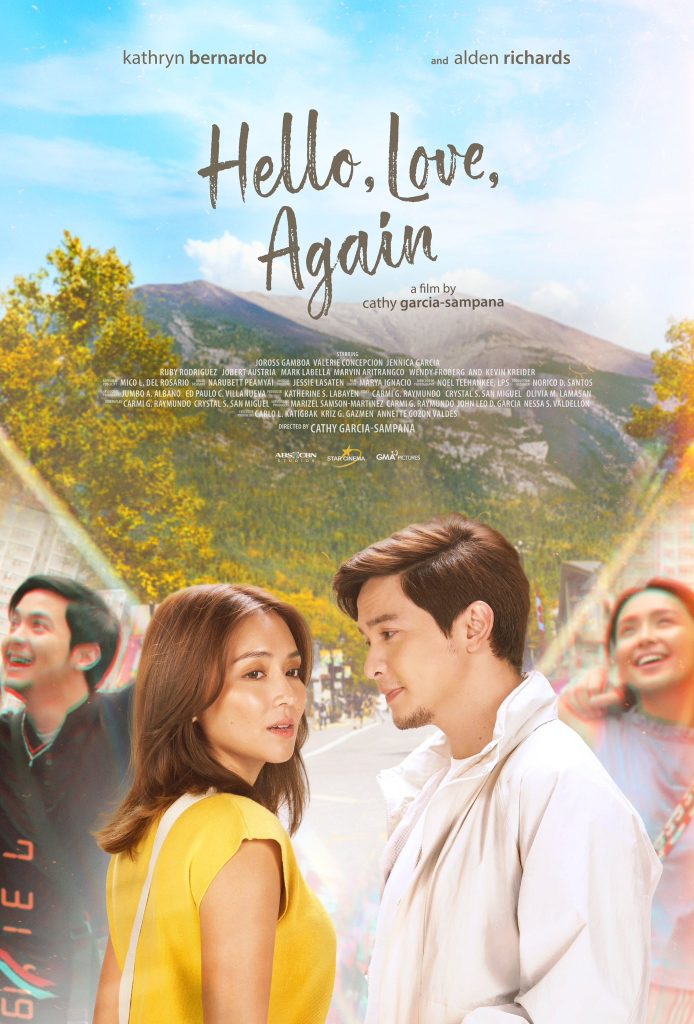
Chloe Bronek (The Netherlands) sees her own daily grind as an overseas worker mirrored in Hello, Love, Again (2024) “I see myself in them as an OFW trying to survive and taking on any job, even if it has nothing to do with what I studied. I can also relate to the family problems, money issues, misunderstandings, and love troubles. The actors are great, and their acting feels so natural.”
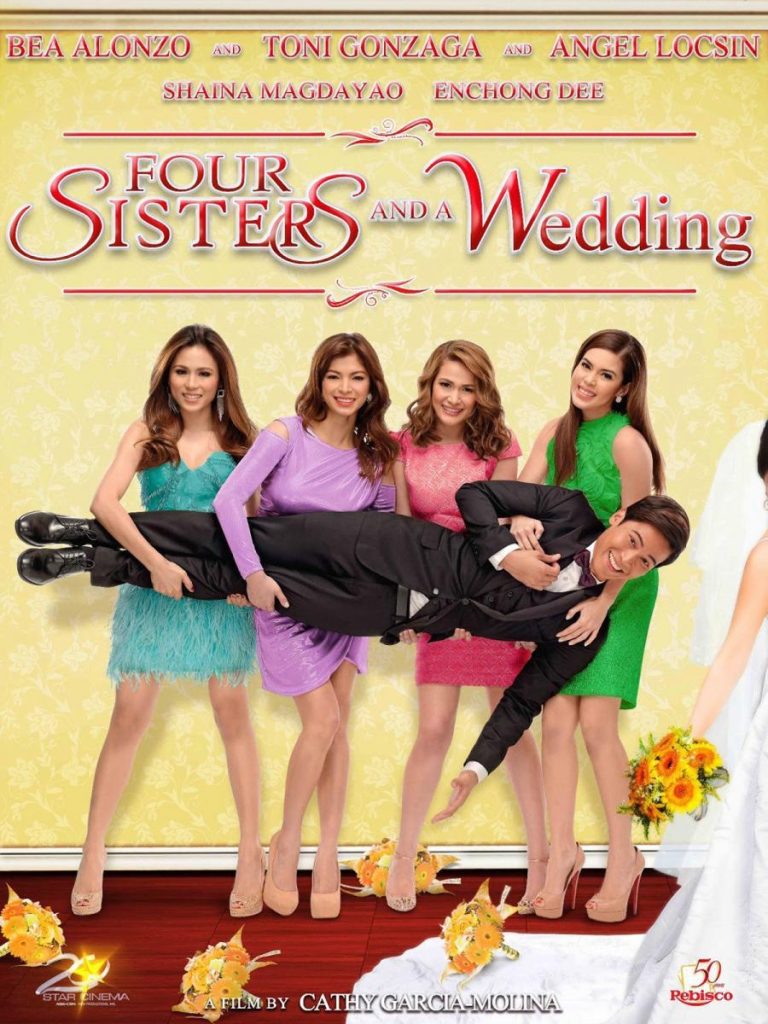
Bong Velasco (Spain) looks to iconic family dramas for catharsis, noting, “With Four Sisters and a Wedding (2013), I can relate to Bea Alonzo’s character (‘Bakit ako’ scene). Another film One More Try (2012), because of the line of Angelica Pangalinan: ‘Ang pera natin hindi basta-basta mauubos, pero ang pasensya ko malapit na malapit na!'”
Verité and Social Realism
A significant portion of the diaspora holds up the pillars of Philippine artistic cinema, valuing films that hold a mirror up to society, history, and the human condition.
Yingying Kooyman (US) champions the disturbing masterpieces like Kakabakaba Ka Ba? (1980), Himala (1982), Moral (1982), Kisapmata (1981), and especially Maynila sa mga Kuko nang Liwanag (1975). “It’s so gritty. The realism of urban life and what happens when the night falls, the claws of poverty, prostitution, colonialism, drugs, capitalism sound louder… The horrors seem to be sharper at night as people navigate what they are up against to survive. It’s disturbing, but it’s the truth.”
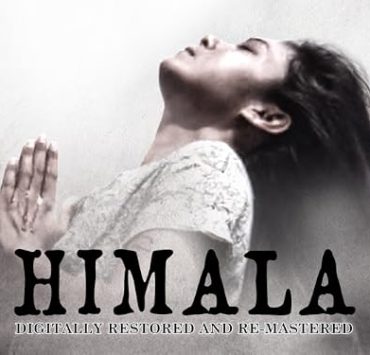
Luz Barcelo (Spain) likes Himala because it teaches a lot about Filipino culture, faith, and society. “I also like how it shows the struggles and beliefs of Filipino people. It made me reflect on our culture and the way people can come together because of hope and faith.”
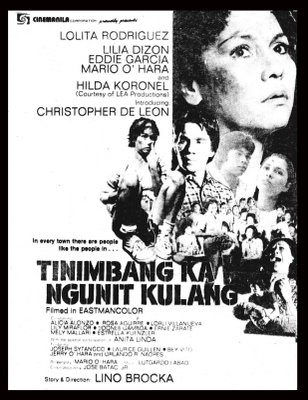
Mayra Abalos-Gorospe (Spain) loves the lessons in the classic Tinimbang Ka Ngunit Kulang (1974) by Lino Brocka and Anak (2000) starring Vilma Santos and Claudine Barretto.
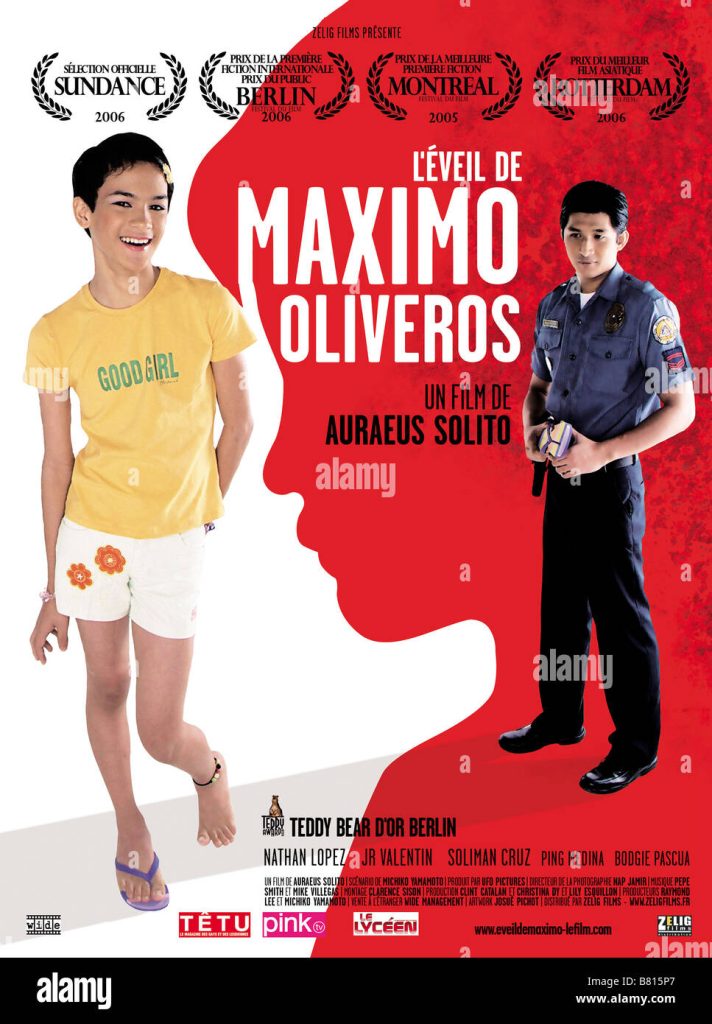
Walter Labajo (The Netherlands) celebrates the queer masterpiece Ang Pagdadalaga ni Maximo Oliveros (2005) for its humanity and sincerity. “Aside from being a beautifully made and deeply human film, it’s special to me because I know the director Auraeus Solito personally. What I love about Maximo Oliveros is its tenderness and honesty. It tells a story about family, identity, and growing up in a world of contradictions, without judging its characters.”
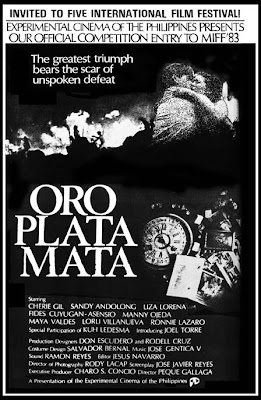
Frank Villanueva (Canada) and Reny Agustino (US) find epic gravity in Peque Gallaga’s Oro, Plata, Mata (1982). Frank describes it as, “A great Negrense historical drama about two wealthy haciendero families trying to survive during WWII. A film on social class dynamics, values, and history. A seat-edging film from beginning to end. A real drama for a Visayan like me.”
Reny has nothing but praises for the film. “ Oro, Plata, Mata is an epic masterpiece and Peque Gallaga’s best work. Truly an ensemble casting and shines a light on the horrors of war.”
Frank also just caught Rafael Manuel’s Filipiniana in Toronto, praising its weird sense of humor and sharp look at current moral corruption in the Philippines.
Amy Dy (Dubai) is a huge fan of vintage and dramatic gems. “I love Bukas Luluhod ang mga Tala (1984). I think this was the first movie I saw in a cinema. Simple. Wholesome. It’s almost a musical. It also reminds me of my childhood.” She also champions Peque Gallaga’s Isang Araw Walang Diyos (1989), wishing it would be remastered with subtitles. “I’d pit it against Train to Busan.”
Documentaries and issue-driven narratives also command deep respect. Rita Ramos (Spain) prefers investigative and documentary films like Batas Militar (1997). “Kasi informative at na-educate tayo sa mga bagay-bagay.”
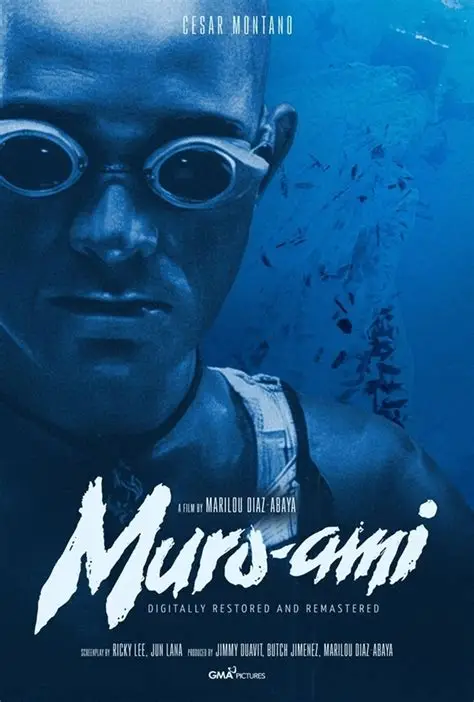
Meanwhile, Nemel Reyes Santos (Spain) highlights the heavy, eye-opening themes of environmental destruction and child labor in Muro Ami (1999), sharing that it “was inspired and based on a real-life story.”
Childhood Laughter and Terrors, and Cult Classics
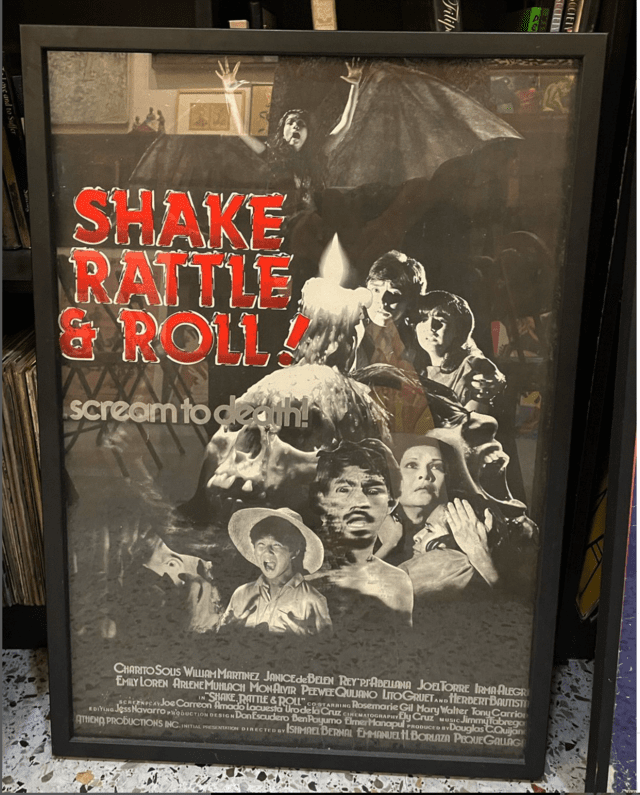
No discussion of Filipino pop culture is complete without the joy of shared nostalgia and humor. Angel Salvador (Spain) looks back fondly on the Shake, Rattle & Roll franchise (17 films from 1984-2025). “I love it because it brings back so many childhood memories. I grew up watching it, and I really enjoyed the Filipino horror stories, the suspense, and the different stories in every episode.”
Eunice Averion (Spain) prefers sharp, artsy indie films like Mercury Is Mine (2016). “It is easy to understand and connect with, even if you did not grow up in the Philippines. The situations and emotions feel universal.” She actively avoids mainstream or comedy bar-style humor, preferring strong scripts and cinematography that match her taste for directors like David Lynch or Quentin Tarantino.
Elmar Dimayuga (Spain) stays loyal to classic comedy and action icons. “My favorite films are comedies starring Dolphy, Babalu, Rene Requiestas, Panchito, and Tito, Vic, and Joey, as well as action films starring Fernando Poe Jr., Lito Lapid, Rudy Fernandez, and Robin Padilla.”

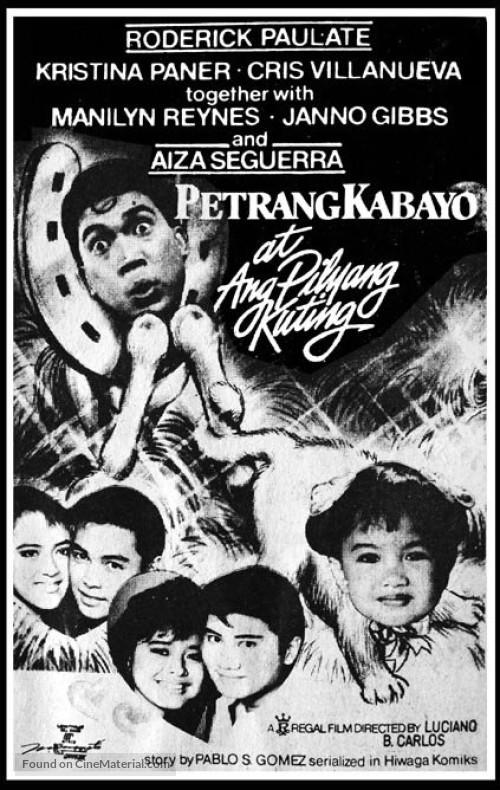
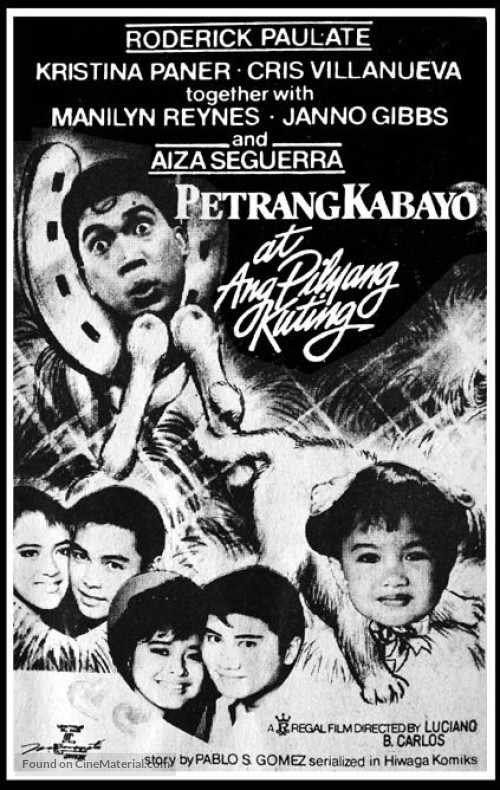
Karessa Malaya (Spain) praises the original Petrang Kabayo (1988) for its natural charm. “Gusto ko rin na natural na natural ang pagka-include ng LGBTQ in the movie, not forced, not for token.”
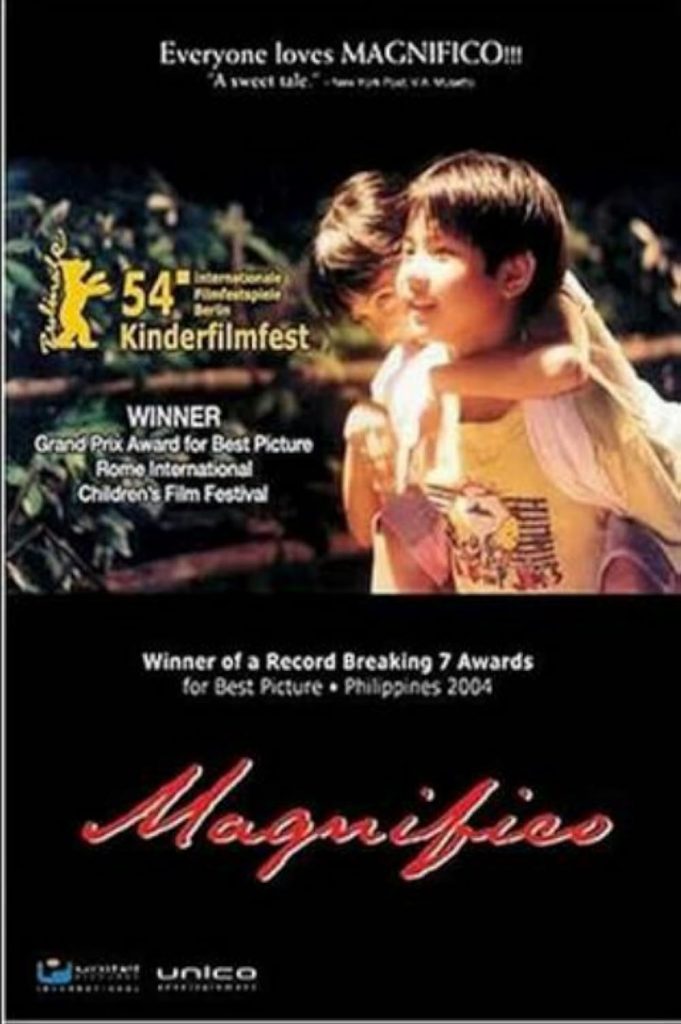
SKy Taganas-del Rosario (Spain) loves the “whole package” that is Magnifico (2003). “It has a brilliant cast, a heartwarming story, and a beautifully written script. It’s a simple but powerful film, so it’s definitely one of those films that stayed with me.”
Armi Bigcas (US) loves fast-paced Eddie Rodriguez films and romantic pairings like Regine Velasquez and Aga Mulach. “These movies make you kilig.”
For Mira Cierto Marasigan (Spain), she can only remember the funny ones. “When I was a kid, I liked Enteng Kabisote , Ok ka Fairy Ko (1995) and Shake, Rattle and Roll. Shake, Rattle, and Roll also stayed with me kasi never ko malilimutan yung tiyanak sa toilet and yung manananggal!” Jelyn Dimaculangan (Spain) loves the 90s and early 2000s nostalgia with Home Along Da Riles Da Movie (2003) and Madrasta (1996) while Neil de la Cruz (Spain) loves rural slice-of-life films like Kahapon May Dalawang Bata ( 1999)by Carlitos Siguion-Reyna.
Do We Still Watch Pinoy Movies Abroad?
The answers here are as diverse as the expats themselves. For many, streaming platforms and YouTube have become lifelines. Luz and Lauren actively seek out Filipino films when homesickness strikes. Luz shares, “Watching Filipino films abroad makes me feel connected to home and reminds me of our culture, language, and Filipino identity.” Lauren echos this sentiment, “When I was feeling homesick, watching a Filipino film was sometimes a small way of bringing a piece of the Philippines with me, even while living so far away.”
However, challenges remain. Sky and Mira point to a lack of time and accessible screenings, while Neil expresses frustration with predictable commercial formulas. “Not much. Not easy access. Commercial films are the same films that are not substantial. Same stories, comedy, and all—except the likes of Cinemalaya or independent films that have the genre, topics, and stories.”
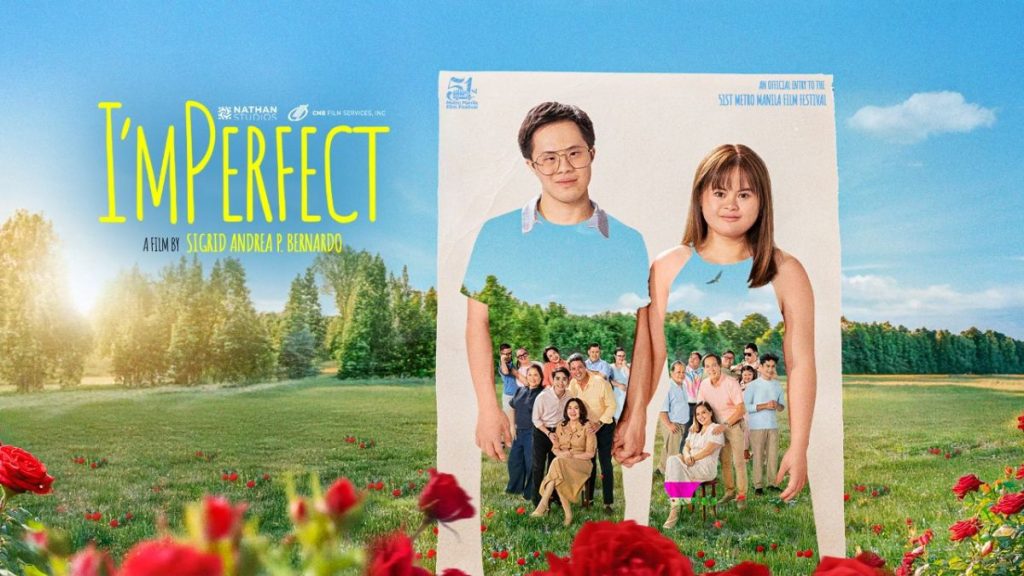
Even for those who rarely watch local films, the cultural weight of Philippine storytelling remains undeniable. As American-Filipino entrepreneur and author Loida Lewis observed after watching a groundbreaking local film I´m Perfect (2025), about individuals with disabilities, the heart of Philippine cinema continues to shine in its raw, universal humanity. “Because it was simple, but was able to depict the situation of people with disabilities, how human they are like anybody else. The desire to connect, to love, and to suffer separation.”
What's Your Reaction?