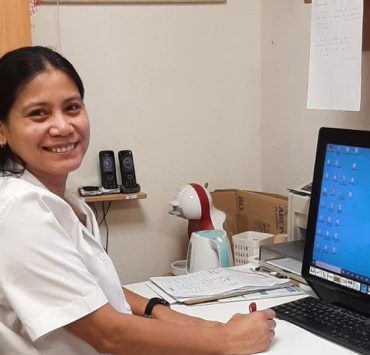

For the millions of Filipinos living abroad, the “Ber” months can feel like a quiet countdown in a foreign language. Far from the humidity and hum of a Pinoy Christmas, the holiday becomes an intricate mosaic of nostalgia, resilience, and a quiet resolve of “making do.” The Filipino Expat Magazine has asked seven Filipinos living in Australia, Luxembourg, the USA, Switzerland, Slovenia, China and Thailand to share with us how they keep the Pinoy Pasko spark glowing away from home.
Back home, nobody can escape the holiday spirit. But living abroad, the early excitement has been replaced by a quiet waiting game. For Chec del Mundo, Australia’s two-week shutdown makes it feel like a “default holiday,” losing the spiritual intensity she felt in Manila.
“I don´t really feel the spiritual or emotional part of the season I ´d had when I was in Manila. Here, Christmas is just another occasion. I don´t get the same “fix” here as when I´m home. There´s a kind of Christmas aura/smell in the air that I don´t get here. Iba pa rin talaga ang nasa Pinas.”
Chec del Mundo, Brisbane
Joe Baylon in Bangkok finds himself waiting for the calendar to catch up rather than being “carried by the season.” While some feel the season is “just another holiday,” Wowie de los Reyes in China maintains that classic Pinoy fervor. “I still get excited,” she says. “My Filipino colleagues and I usually count the days until winter break begins.” For her, the spark is a countdown to a homecoming.
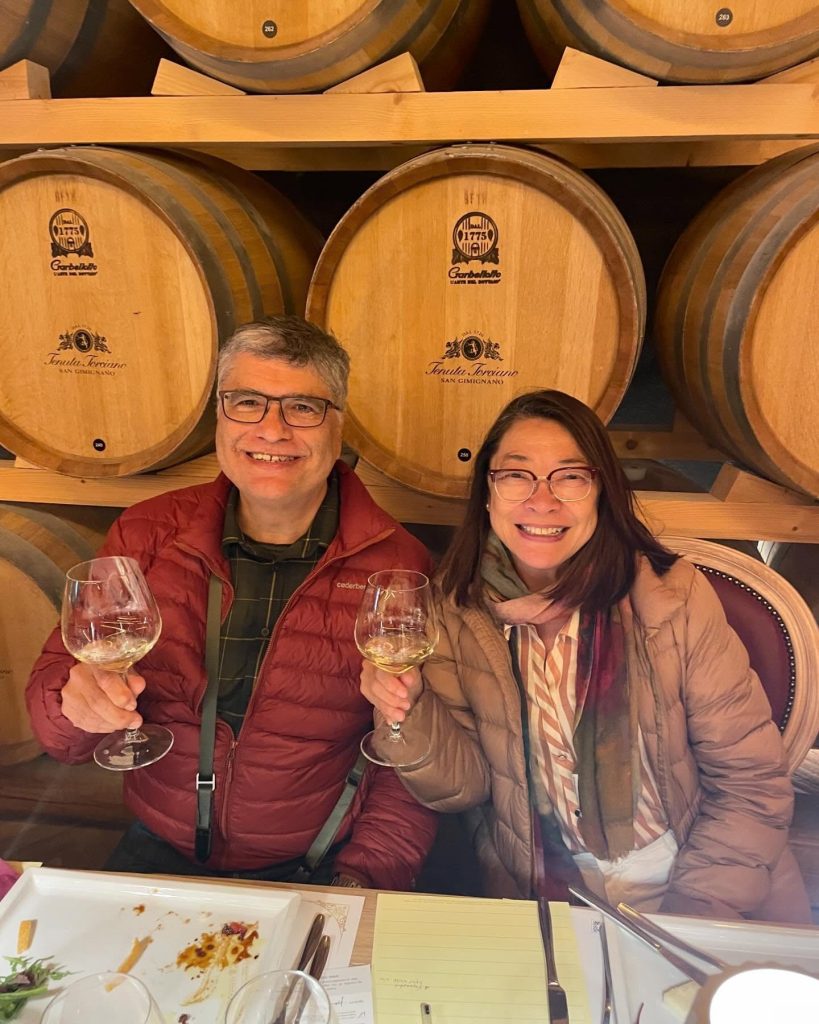
For Zip Mercado in Luxembourg, the season is dominated by work as a musician. “Being abroad during this period often feels lonely,” he admits. The excitement isn’t gone, but as Christian Terio in New York puts it, “A part of me is always waiting for that same Filipino Christmas feeling to catch up.
For Kristine Ongcuangco Sedej in Slovenia and Myka Fluri in Zurich, the early excitement has largely vanished. “I often find myself just waiting for December to be over,” Myka admits, highlighting a common sentiment, without the social cues of home, the “Ber” months lose their magic. Joe echoes this, noting that while the joy is there, it’s something he has to “consciously create” rather than something that naturally surrounds him. For many, the transition from a country that celebrates Christmas the longest to countries that treat it as a two-day event is a jarring cultural adjustment.
When asked what Pinoy Christmas “thing” they miss and would “teleport” from the Philippines, the answers are unanimous: Connection. Whether it’s the spiritual ritual of Simbang Gabi (Midnight Mass) or the chaotic joy of a neighborhood Noche Buena, the longing is for the communal. Zip misses the simple meaningfulness of families walking to church together followed by bibingka. Joe particularly loves the “shared sacrifice of the simbang gabi. “The waking up early, seeing familiar faces, feeling connected to something bigger than yourself. It sets the spiritual tone of Christmas in a way that it is deeply Filipino and very grounding.”
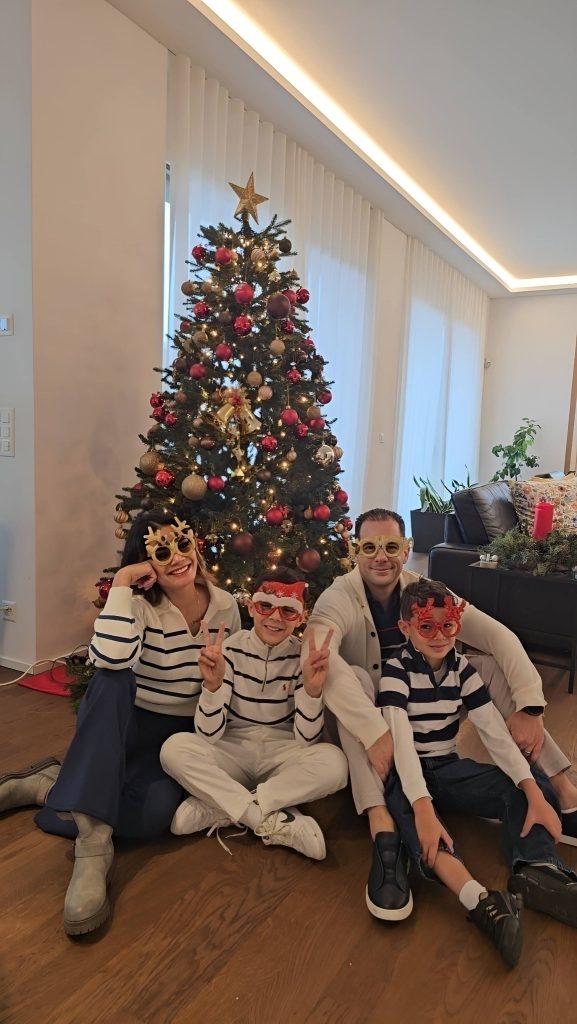
Myka misses the fun of cooking together and having neighbors drop by. Christian, Chec and Wowie long for the “laughter, the noise, and the warmth” of a full-on Noche Buena. Kristine misses the specific joy of Filipino caroling, a tradition that simply doesn’t exist in her host country.
Frozen Ensaymadas and the hardest part of Christmas abroad
For these expats, the Christmas table is a culinary battlefield where they fight to replicate flavors with missing ingredients. Even if ingredients are hard to get, they find a way. Chec and Kristine both hunt for queso de bola. “I try to find the closest tasting cheese here,” says Chec adding that she even freezes Mary Grace ensaymada brought from Manila to Brisbane! Christian and Myka crave buko salad, but finding the right fresh coconut meat in New York or Switzerland is a holiday mission of its own.
Zip needs ube halaya and sweet Filipino spaghetti while Joe craves Pinoy sweet ham on his Christmas table, tastes that bring back the laughter and chaos of childhood. Wowie shares her chicken adobo and Filipino spaghetti with her colleagues. While adobo is easy to source, the quest for the “red hot dog” remains a sacred mission, requiring visits to specialty stores that carry Philippine-made products.
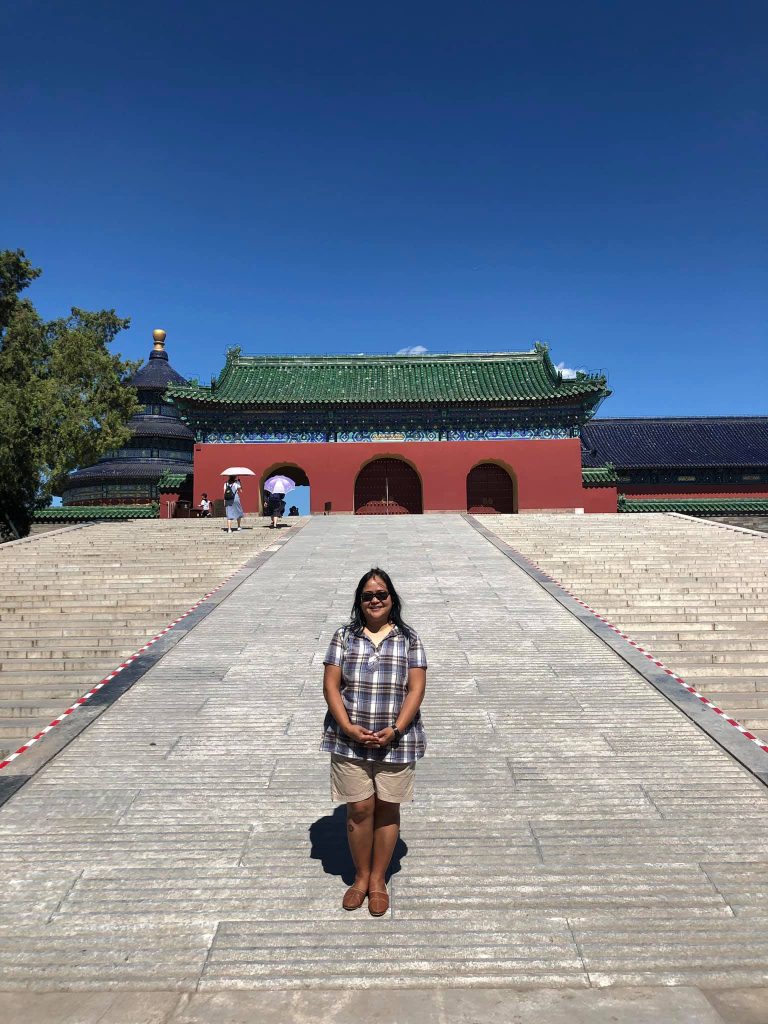
In the Philippines, Christmas is a religious and emotional pillar. Abroad, it often shifts. For Zip, the season feels more commercial—a “productivity and profit” cycle where Christmas Day is just another workday for a musician. Seeing loved ones celebrating together on a screen while sitting alone in a foreign land is a recurring heartache. For Chec and Wowie, the hardest part is not to be able to be with their families to celebrate the occassion.
For Kristine and Joe, the lack of “noise” has allowed the holiday to become more reflective. Without the pressure of a hundred parties, the spiritual weight remains, even if it is celebrated in the quiet of one’s heart. While Myka finds the Swiss cold difficult, the consensus is that the “coldness” is emotional. “It’s not the distance—it’s the loneliness,” For Christian, it’s the “little things”—the specific smell of the food and the “effortless togetherness” that cannot be replicated by a Zoom call.
Social Media, reality and adaptability
For most people, their social media accounts are full of glitz, glamour and colors. But the reality is often much humbler. Chec, Kristine and Myka describe their actual celebrations as “super simple.” “We celebrate with my in-laws, we exchange gifts, eat traditional Swiss food, drink some wine, talk around the table, and then drink some more wine,” shares Myka.
“On social media, people see me performing and traveling to beautiful cities, but they rarely see the emotional side. Often, the focus is less on how I feel and more on what I can give,” shares Zip. Christian admits his posts are the highlights, while the real day is “quieter and more low-key.” Wowie on the other hand insists that her celebrations are “consistently as festive as they look.”
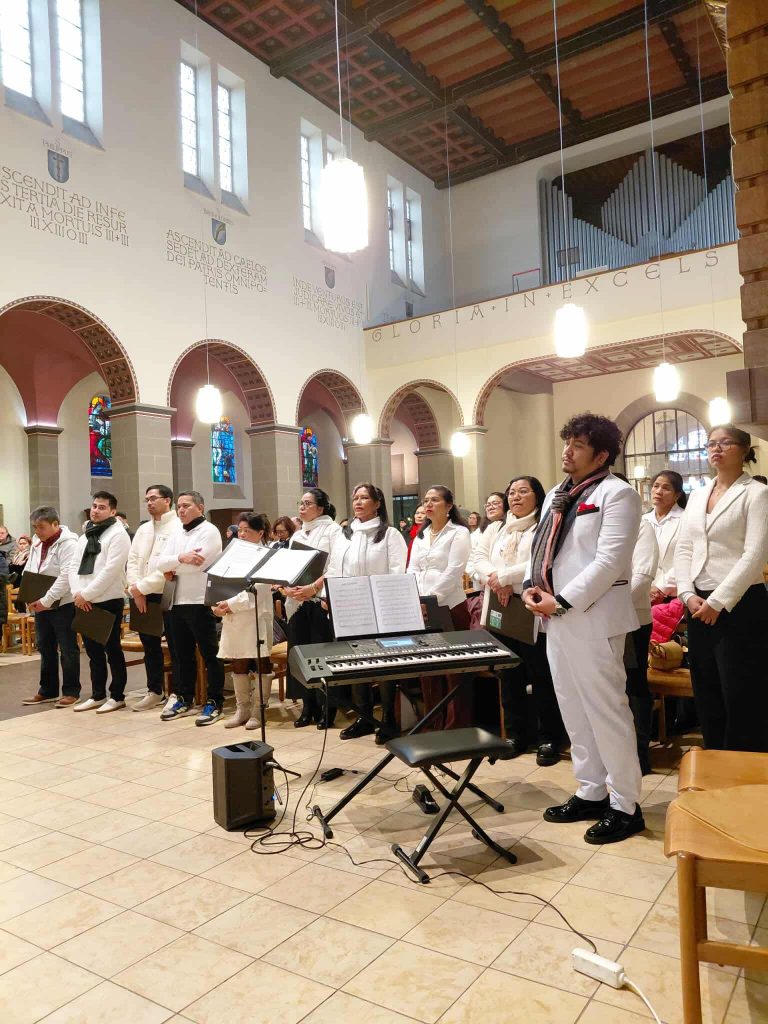
Despite the longing for home, Filipinos are nothing if not adaptable. They have begun to weave their host countries’ traditions into their own. Myka has adopted the Tischgrill (table grill), bringing a Swiss touch to her Filipino gatherings. Kristine makes Potica, a local Slovenian rice cake, which has come to feel like home. Zip enjoys the magic of European Christmas markets and Glühwein. Chec has embraced the “Bring Your Own Plate” culture, which reduces the stress of hosting. This is a sharp contrast to the “host-provides-everything” Filipino norm. Joe has learned to appreciate the Thai approach to calmness and presence. “There´s less pressure to make things grand,” shares Joe adding that “I have adopted that mindset-focusing on peace, gratitude, and simplicity rather tan trying to recreate exactly as it was back home.”
The weight of “Namamasko po” and keeping the flame alive
The expectation to send money or boxes home is a reality for many. For some like Zip, it can be overwhelming: “Sometimes it feels as though our worth is measured by what we send home.” Joe, at times feels that the sense of responsibility can be heavy. “While giving is part of love, it can sometimes overshadow the joy if it turns into an obligation rather tan choice.” For Christian, it’s an “unspoken expectation” that adds pressure to an already expensive season. However, most agree that the sacrifice is worth it. As Christian says, “Knowing it brings happiness to family back home makes the effort worth it.
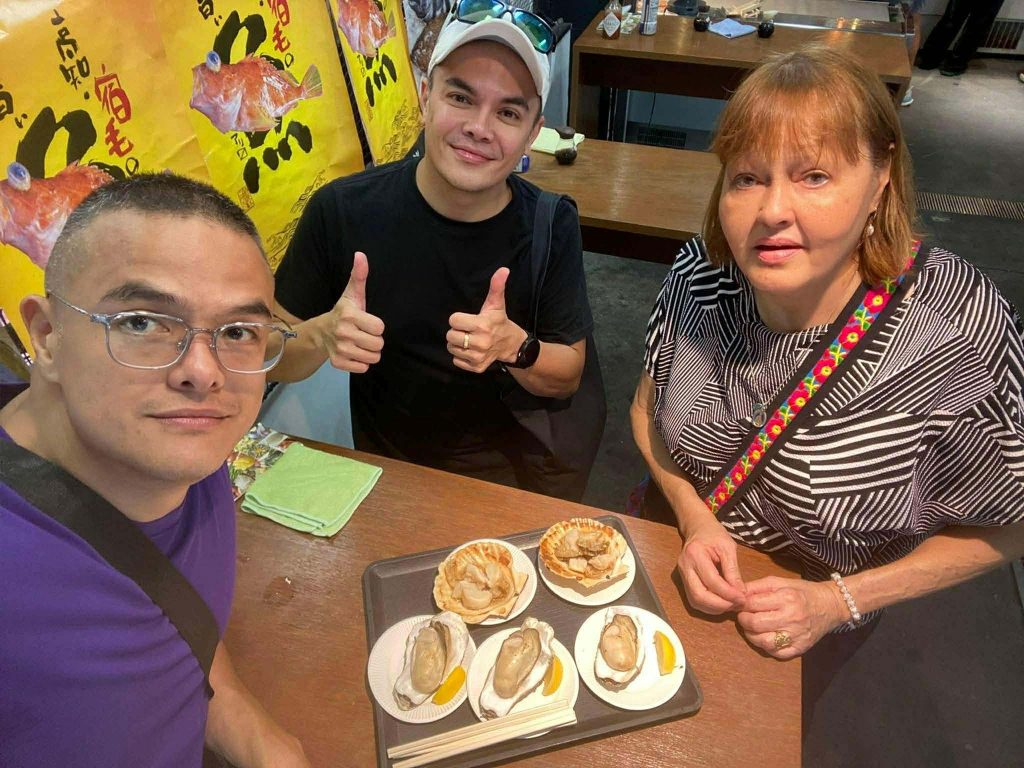
Myka avoids the stress by sending her boxes four months early, ensuring the holiday itself remains pressure-free. Wowie admits it can be overwhelming, but she finds a middle ground through “practicality.” Her family is accustomed to receiving small, inexpensive, and useful gifts. By managing expectations, she ensures that the act of giving remains a joy rather than a transaction.

If they can’t fly home, what makes a Christmas “good”? For almost everyone, a long video call is the non-negotiable requirement. For Joe and Christian, it’s an unrushed, genuine conversation filled with laughter. In the digital age, a stable internet connection is the most important Christmas decoration an expat can have.
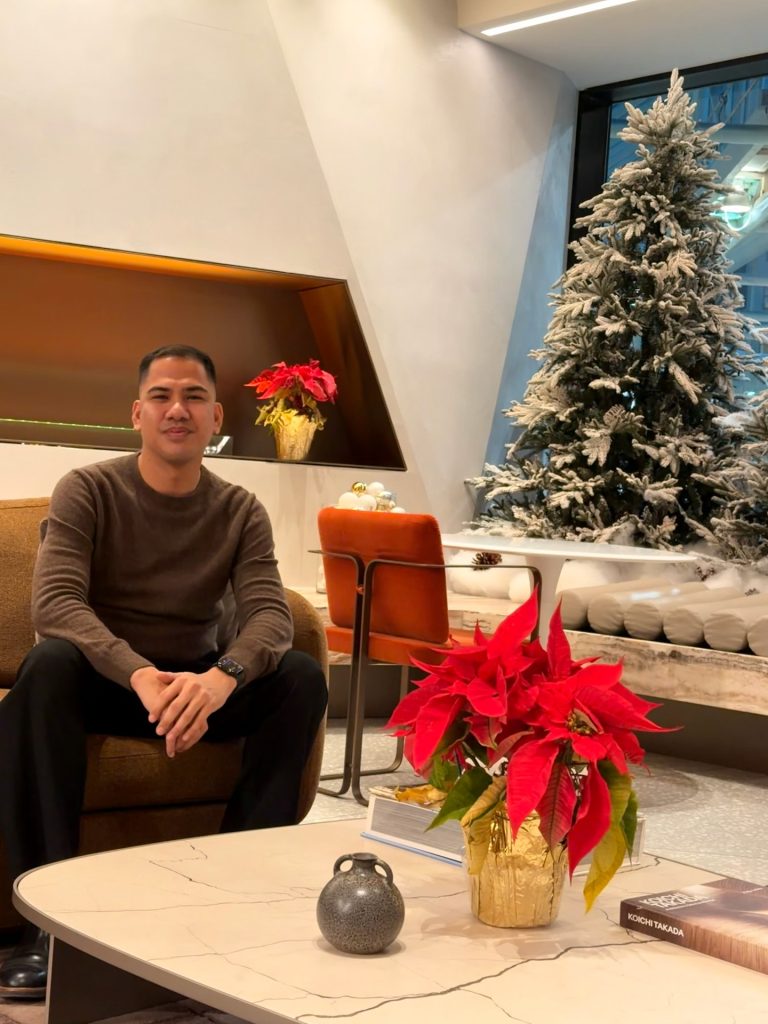
Myka’s favorite is a group chat where she grabs a beer to “drink with” her brothers over the screen. For Wowie, the “minimum requirement” is a video call where she can see every single member of his family. If there is laughter on the screen, there is Christmas in the room.
For those with children, the “Filipino way” of Christmas is a tradition they refuse to let go of. Even in Switzerland, Myka makes sure her kids are exposed to Filipino parties with karaoke and games so they don’t miss out on those memories. Chec tries to keep Filipino tradition by being together on Chirstmas day, “even if it is just my husband, my son and me, and two grandpet dogs.”
For Zip, Joe and Kristine, they believe it is essential to pass on these values. They want the next generation to know that Christmas is about roots, faith, and the enduring strength of the Filipino family. It’s about passing on the meaning behind the noise.
“Christmas is where many Filipino values-family, generosity, faith-are most visible. Keeping those traditions alive can be a challenge abroad but even small efforts matter.”
Joe Baylon, Bangkok
Is the spark still there?
Filipino Christmas abroad is certainly quieter, often lonelier, and colder. Less vibe and more reflection. Less about the neighborhood and more about the small circle of family or friends you’ve built in your new home. But is it less celebratory? Perhaps not. Filipino expats ensure that “Paskong Pinoy” is lived, experienced and enjoyed whether alone, with a kababayan or non-Pinoys.
The grand, four-month spectacle is replaced by small rituals. A frozen ensaymada, a string of lights in a small apartment, or a tearful “Merry Christmas” over a 2:00 AM video call.
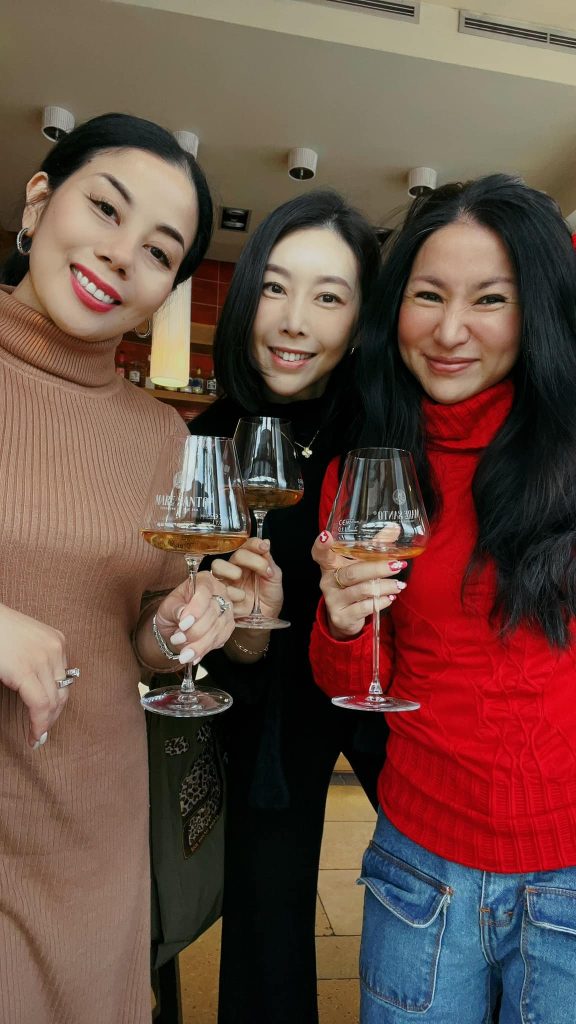
Yes, the Pinoy Christmas vibe is still vibing. The spark is still there. It keeps on glowing. It survives through this cultural link that Filipino expats refuse to break. It is like a halo-halo—a mix of different ingredients that shouldn’t necessarily work together, but somehow do, blending local traditions (like Slovenian cakes or Swiss grills) and desperate attempts to recreate home (like frozen ensaymada, make-do buko salad). It might be less “festive” in the traditional sense, but the effort Filipinos put into celebrating shows that home isn’t a place you leave behind—it’s something you carry with you.
Main Photo by Llar Capili/Unsplash
What's Your Reaction?