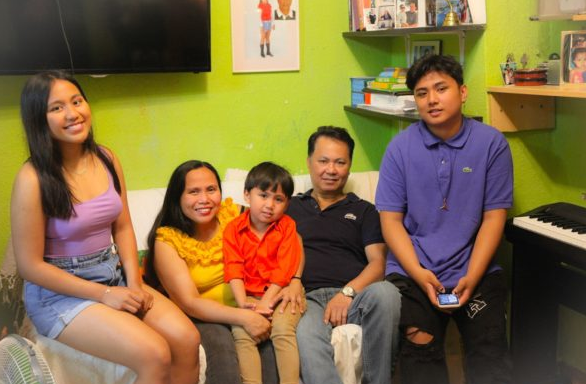
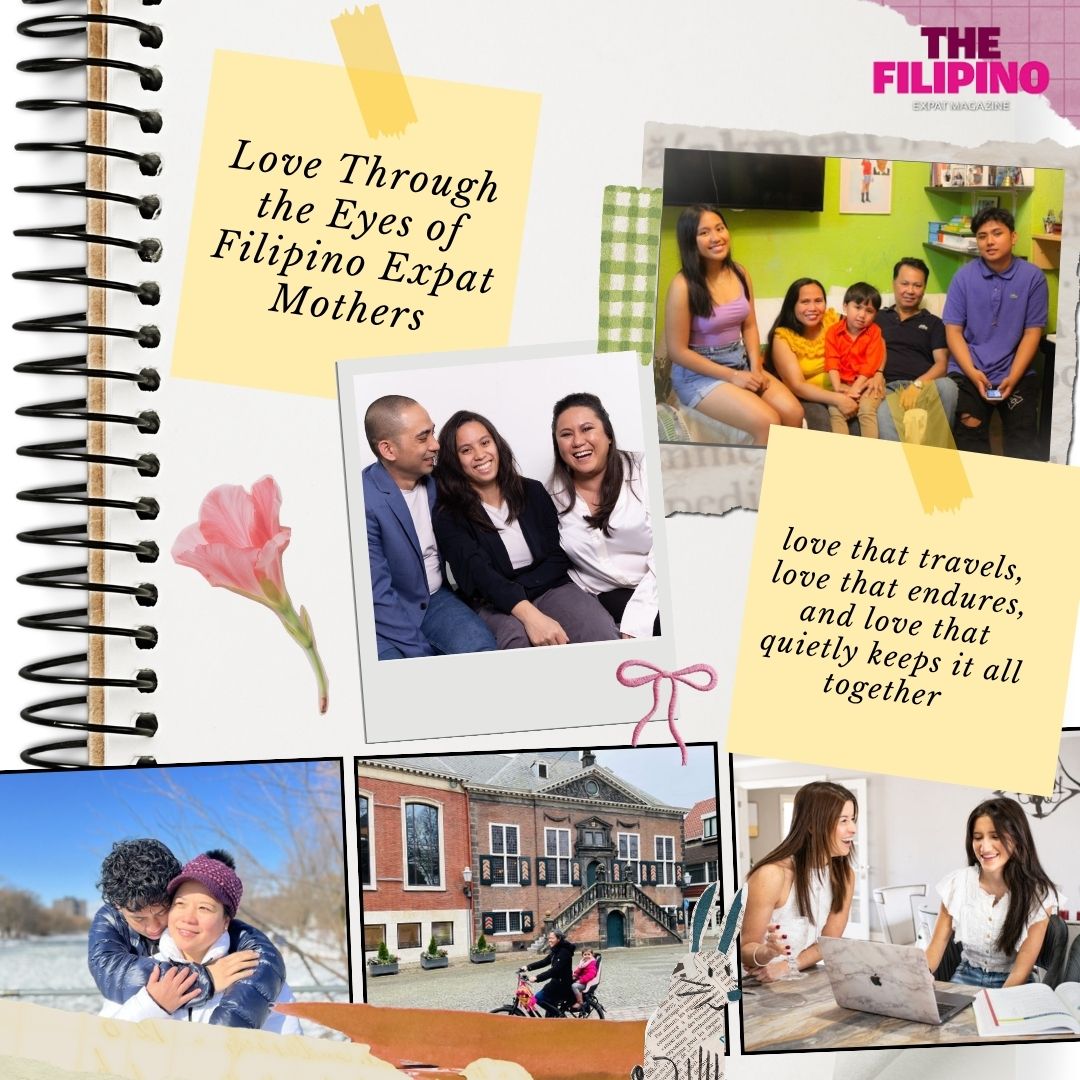
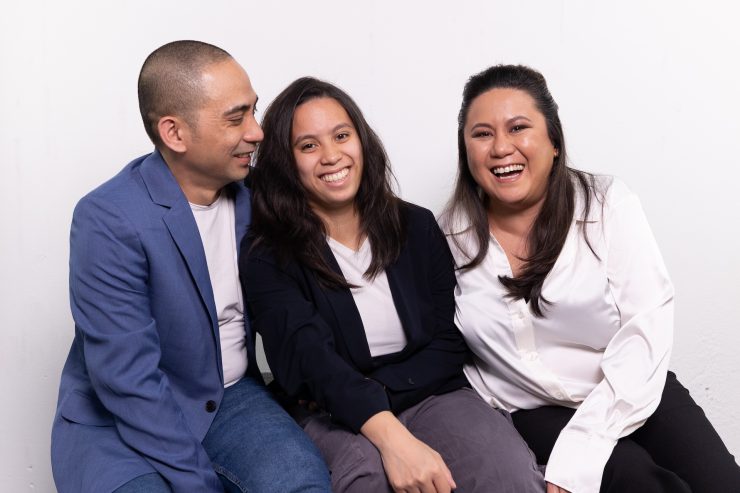
For Filipino expats mothers, love is rarely simple. It’s in the in-between moments, such as sending money back home after a long shift, checking homework over video calls, choosing education while raising children, or rebuilding routines after migration changes everything.
Many people celebrate Mother’s Day in a familiar way – receiving flowers, experiencing breakfast in bed, reading handwritten notes, and enjoying warm hugs with family members who live in the same household. But for many Filipino expat mothers, love takes on different forms. It stretches across the oceans, bridges time zones, and survives through various methods, including voice notes and text messages, carefully chosen words that they send home after a long day of work.
Their motherhood is measured not by proximity but by intention, And that intention is still the same, a love that travels, a love that endures, and a love that quietly keeps it all together. Even across borders.
This special feature presents different kinds of love that show how motherhood changes for Filipino expat working mothers. Each story reflects a different reality of sacrifice, strength, longing, and quiet courage, connected by one constant reminder: love never leaves, even when a mother does.
Choosing Presence over Productivity
Sometimes motherhood is reshaped by guilt — and growth.
Between deadlines, business decisions, and the constant drive to build something meaningful, time with family can quietly slip away. For Rhea Topacio, she had been balancing her career and being a mother just fine until one honest question from her daughter changed everything.
Missed moments turned into broken promises that made her daughter ask the question that redefined her role as a mother: “Why are you working so hard for?”
That moment changed everything for her. What once felt like being productive and having a purpose suddenly needed to be thought about. Rhea realized that success should not come in between the very reason why she started — her family. The time she gave to others, to meetings, to building brands, could never replace the time her child was quietly waiting for.
So her love evolved. She became more intentional and set limits both in business and her role as a mother. Sundays became more sacred, non-negotiable family days. It doesn’t matter what they do as long as they are together. Rhea’s life as a mother was no longer fitting her child into her schedule, it was now about making her life fit around what really matters — her family.
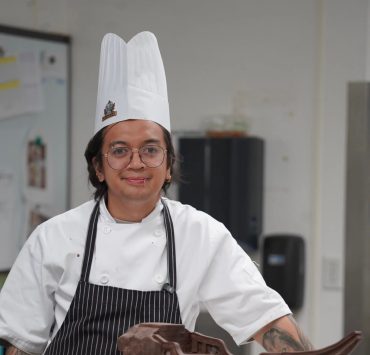
Shaping Lives Beyond Home
Not all mothers nurture only their own children.
Some expand their care outward, into classrooms, communities, and entire systems. For Erna Lynn Fajarito, motherhood exists beyond the home. It lives in lesson plans, in chalk-dusted hands, in children learning to read new language for the first time.
Her journey in Phnom Penh began with simple outreach English classes, but what she saw changed her path completely. Kids who went to village schools didn’t have many chances to get a good education, and many were falling behind just because they couldn’t get to them. That realization was a silent turning point that turned teaching into something deeper, a way of being a parent.
What began as volunteering has become Go Shine School in Khpob Kraom, a place where kids can finally learn English without the distance and unfairness. In every classroom she helped build, Erna Lynn’s care was more than schoolwork, she was helping build self-esteem, discipline, and hope.
It doesn’t matter how many kids call her “Mom”, what matters is how many futures she helps create. It is in every lesson taught, every child encouraged, and every little step towards learning.
A Love That Holds Everything Together
Some mothers keep moving so that everything around their child stays steady.
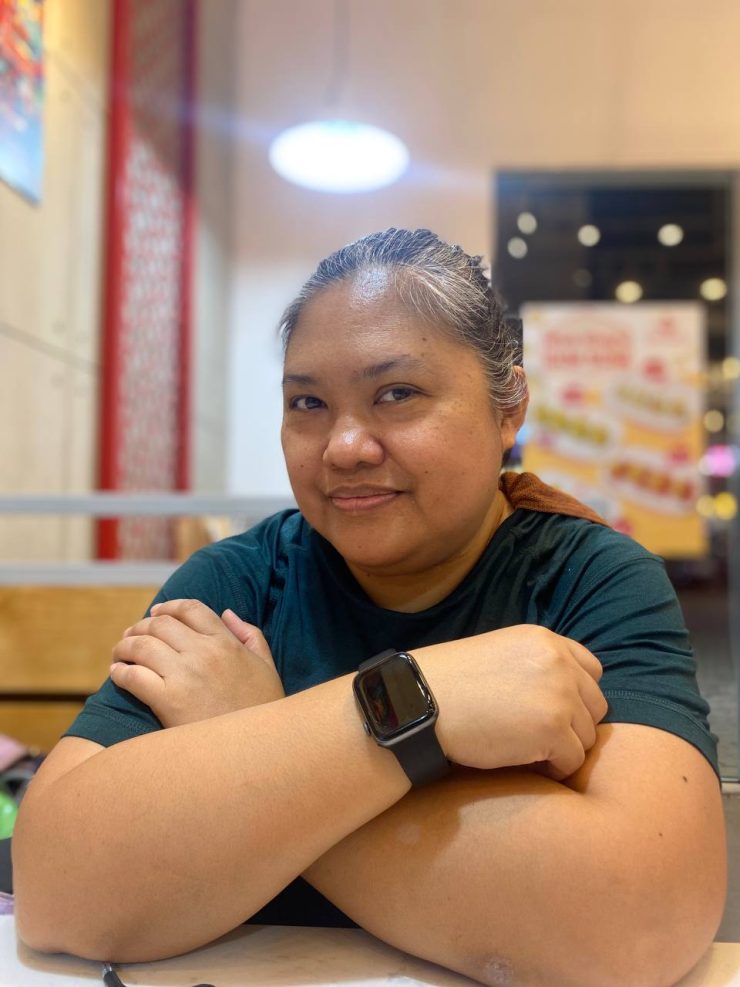
For Mia Caram Dianda, motherhood is not about pauses, but about precision, planned days, routines, and the constant movement that keeps life together even in exhaustion.
Her time in Oklahoma is about time management and responsibility. Her life revolves around her daughter’s routine, school runs in the afternoons, grocery runs, homework time, and dropping her daughter in her extra classes in between work commitments. Even the night before is already planned, with her car packed in preparation for the same routine the next day.
In this routine, Mia is juggling multiple roles at once balancing work responsibilities while still being present for her daughter’s growth. The weight is heavy but so is her dedication to make sure her child never knows the lack of stability.
Her being a mother is marked by discipline and warmth. Strong in structure but making room for laughter and connection. She gets behavior but opts to enjoy moments with her daughter instead of just managing them.
In Mia’s world, love isn’t just measured by how much free time there is but by how often she manages to make her kid’s life intact despite the fast-paced movement of the world.

Balance of Roots and Independence
Not all mothers raise their child in the same kind of world they grew up in. Some people learn how to live in two different worlds at the same time.
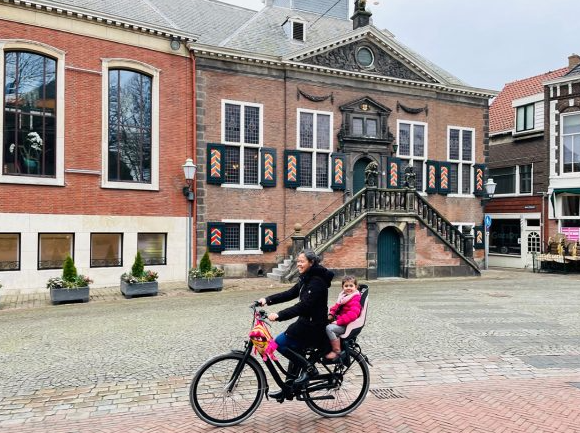
For Dheza Aguilar, being a mother is like a quiet negotiation between the freedom she learned in the Netherlands and the closeness she was used to in the Philippines.
When she gave birth in the Netherlands, she experienced a very personal culture shock. The thought of her baby sleeping alone, calming themselves down, and growing up on their own might be a norm in the country but to a new mother like her who grew up and was used to the closeness of the Filipino parenting style, it was very challenging. What felt natural in one culture, was very distant in another. During that time, being a mother was a balance between what she felt and what was around her.
But over time, Dheza learned to compromise. She didn’t just pick one culture over the other. As a working mother she learned to trust a new and unfamiliar system while still making sure to create moments of warmth, comfort, and emotional connection that reflect her values as a Filipino parent. In this balance, being a mother was less about following rules and more about knowing what her child really needs.
Living far away from extended family also changed what it meant to get help and support. She learned to rely on systems like early daycare, set schedules, and shared duties, which were very different from the “village” she had lived in. It took a lot of courage and adjustments for her to make these choices and it taught her that letting go can also be a way of showing love.
In Dheza’s world, love is not about choosing one culture over another, it’s about mixing both so that her child can stand tall in both.
Motherhood After Hours
Some mothers do not get to raise their children in the light of day.
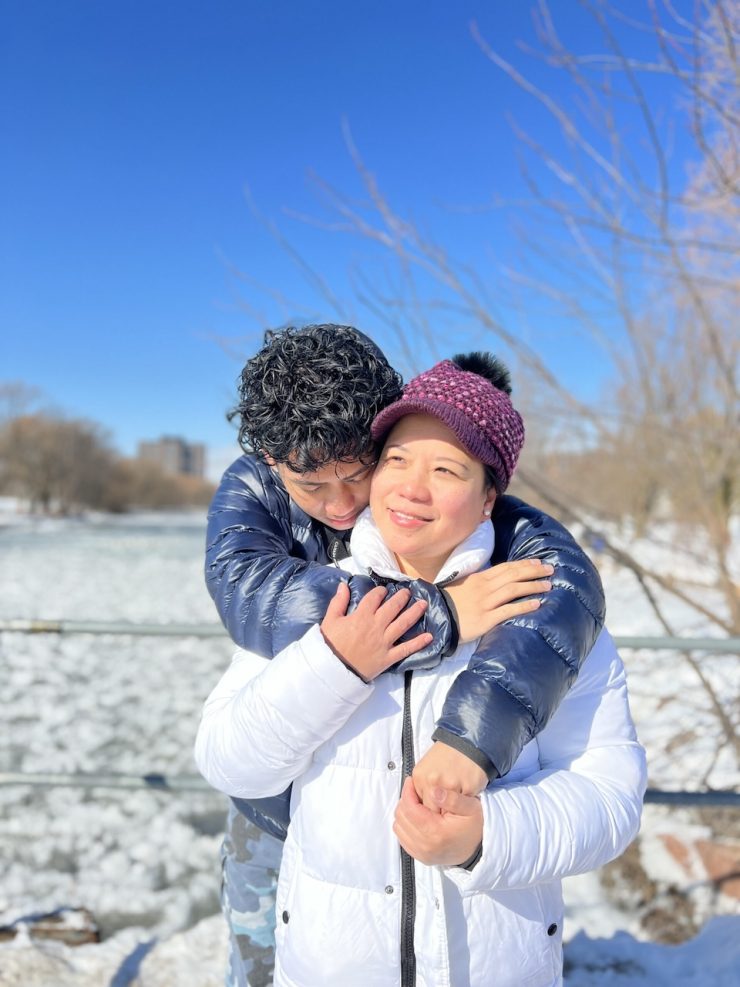
Some built motherhood in the stillness of the night, keeping it all together while the world sleeps. For Leslie Dula, motherhood meant long shifts, limited time, and the quiet strength of doing it all alone in a country far away from home.
As a mother working on a night shift, her days were never typical. While other families ended their night together, hers was just beginning its separation. She’d make sure her son had what he needed for the morning before leaving for work, a simple act that carried the weight of love and care. When she returned in the morning, he had already learned how to manage his day on his own.
There was a permanent absence that came with raising a son alone, one she couldn’t avoid, but she never once let him feel like it was neglect. Instead, she bridged the gaps with clear guidance, honest conversations, and a steady reminder that this is the life they were building together.
There were moments she could not witness, milestones she experienced from a distance, and ordinary days she wished she had more time for. But her presence remained constant in a different way, through the values she instilled, the discipline she maintained, and the love she never failed to show, even in exhaustion.
As time passed, the fruit of her kind of motherhood showed itself in her son’s character, responsible, grounded, and deeply aware of all his mother had done for him.
For Leslie, love was never about being everywhere at once. It was about making sure that even if she wasn’t always physically present, her son never had to doubt the love and care she had for him.
Building Life While Raising One
Some mothers don’t measure motherhood by what they accomplish, but by what they quietly endure every single day.
Motherhood was never separate from struggles for Dr. Eve Ramos. It lived through sleepless nights in a new country, through raising a child while rebuilding a life from scratch, through moments when she had to choose between exhaustion and responsibility, and still chose to show up.

Her life in Barcelona had begun uncertainly with a baby in her arms, a life still unsteady, and a future she had to rearrange, learning to survive in a place that demanded everything of her. Motherhood didn’t wait for her dreams. Instead, it plagued them, demanding presence when she was already strained to the limit.
Motherhood was not soft or ideal during that period of her life. It was practical, dull, and inflexible. But it was also meticulously planned. All sacrifices had meaning. Every long day had one priority, to make sure that her child never felt the weight of how hard life was getting.
And in that tiredness, she built something steady for him. Consistency and presence, Eve became a mother who learned that love in survival is often about endurance; to show up, and show up, and show up again, even when no one can see how hard it is.

Building a Life Beyond Today
Some mothers nurture through comfort.
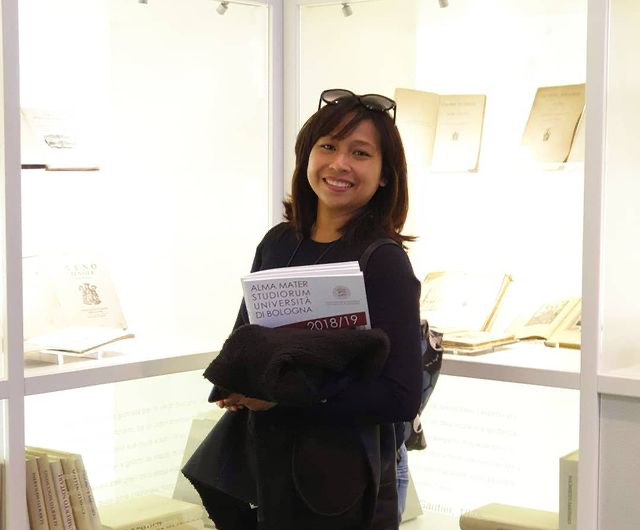
Others nurture by growing, even when that growth is difficult, foreign, and uncertain. For Elisha Gay Hidalgo, motherhood is about choosing to keep learning, not just for herself, but for the life she wants for her children.
Her motherhood is based on awareness. Living abroad, she knew that raising her children was not just about supporting them, but about understanding the world they were growing up in. When she realized that language and cultural barriers would keep her from being able to fully guide them through school and everyday life, she decided to change that, even if it meant starting over.
Her motherhood reflects a sacrifice. She decided to enroll in a university, cutting down her working hours, making financial sacrifices, and juggling academics while raising three children. Without extended family nearby, everyday was a delicate balance of staying home and pushing herself academically.
It is also an act of being present. She chose to stay involved in her children’s lives, helping them adjust, providing emotional support, and making sure they didn’t feel alone in a country that was still new to all of them.
Lastly, it is a preparation. Every knowledge and skill she learns is a tool in guiding her children’s future. Because her education is not only a personal accomplishment. It is a way to open doors and build a more stable future for her family. It is a quiet optimism of a mother who hopes that her continuous growth can give her children something more lasting than immediate comfort.
Love Across Distance
Some mothers don’t get motherhood all at once. They build it up over years, over miles.
Badeth Ramos’s motherhood started with separation. It was a life built on migration, where being a provider meant leaving, and the only thing she could hold on to was time zones, phone calls, and promises that had to survive waiting.
In Spain, her days were filled with work, but her mind was back home in the Philippines. Her role as a mother revolves around routines she can’t do physically, checking her kids’ homework by phone, telling them what to eat, what to bring, and what to remember. For her, love was structure, something to be repeated until it became stability for her children growing up without her beside them.
The reunion didn’t close their gap, it just simply relocated when her children finally arrived in Spain, and motherhood became a process of re-learning. The children she used to lead from afar are now in front of her, but they are already shaped by years of independence, adjustments, and survival without her daily presence.
This time she had to learn to be a parent again, not as a voice on the phone, but as a mother to kids forging their own identities in a foreign country. And they, too, had to come to know her, not as a distant provider, but as a present mother trying to make up for the lost time.
For Badeth, motherhood was reconnection, again and again, through every stage of going away and coming back.