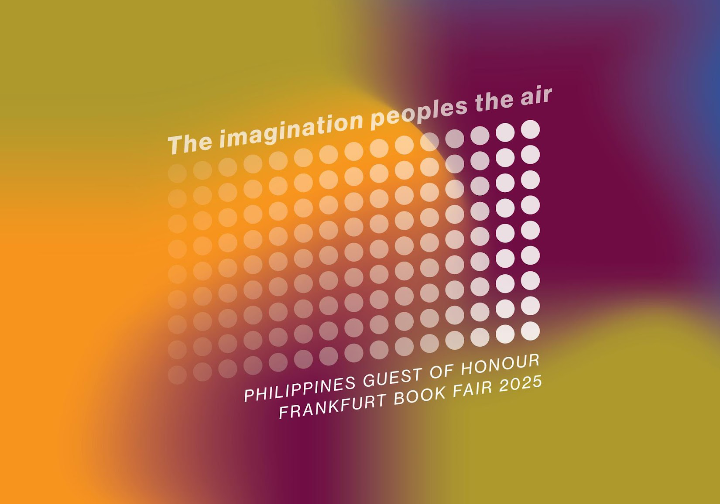
The Philippines will assume the prestigious role of Guest of Honour (PhlGoH) in this year’s Frankfurter Buchmesse, promising to bring a vibrant, multi-layered selections of literature, art, and history to a global audience.
The country’s theme, “The imagination peoples the air,” borrowed from a line in José Rizal’s seminal novel Noli Me Tángere, is a powerful declaration—an invitation to see how a nation’s soul is forged in the crucible of its imagination, even in the face of struggle.
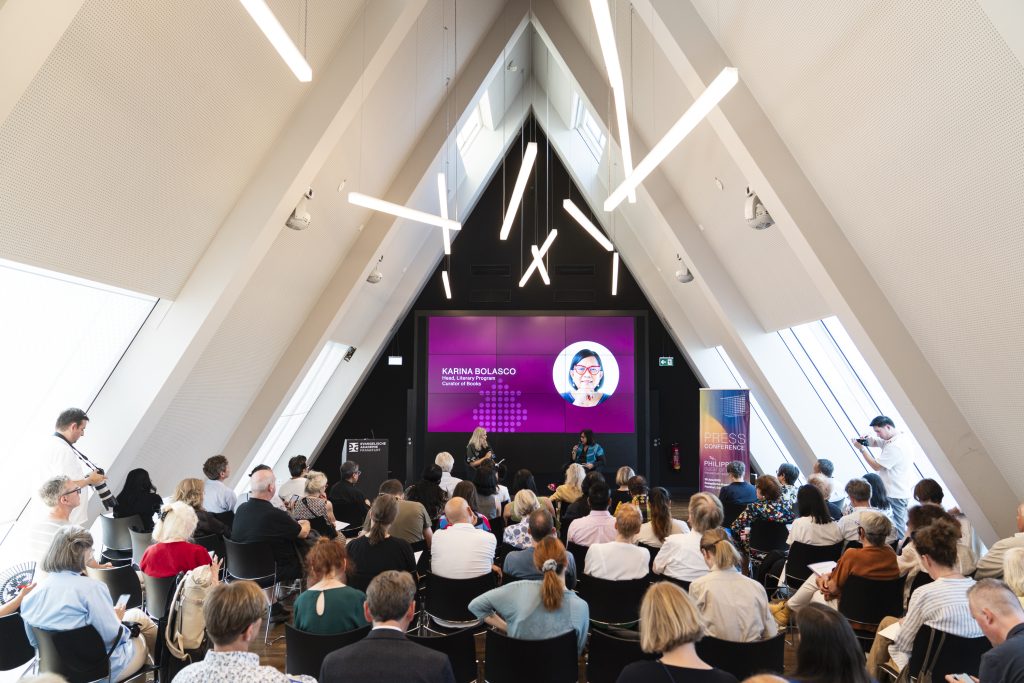
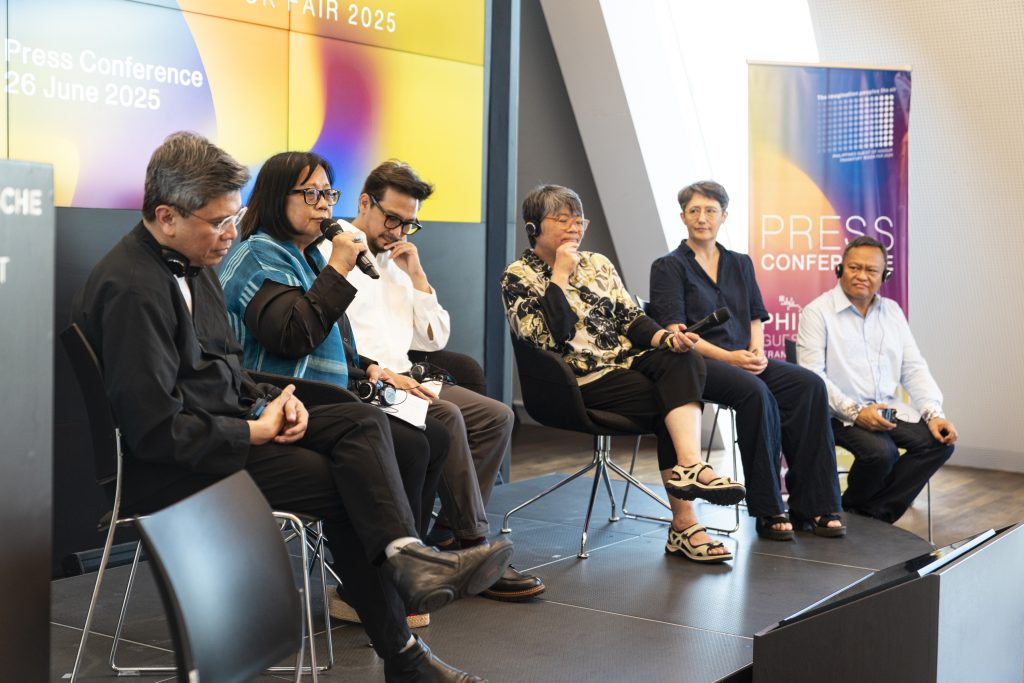
The full scope of the program, unveiled in Frankfurt, is ambitious and comprehensive. It’s not just about books; it’s a full-spectrum cultural immersion. Over 77 literary events will feature more than 100 authors and creatives, while a parallel cultural program will showcase 50 artists through exhibitions, performances, and films. This is a deliberate and well-coordinated effort to present the Philippines not as a singular narrative but as a “gathering of voices that defies singular narratives,” as Senator Loren Legarda, a key advocate for the project puts it.
A Pavilion of Islands and Ideas
The heart of the PhlGoH program is the Philippine Pavilion, a space designed to be both a physical and conceptual representation of the country. Curator Patrick Flores describes it as an “archipelagic clearing,” an airy and open space that evokes the Philippines’ 7,641 islands. Designed by Stanley Ruiz, the pavilion is a masterful blend of the traditional and the contemporary. It incorporates local materials like kapis (shells), bamboo, and pineapple fabric, creating a warm and welcoming atmosphere. The structures themselves are configured like dispersed islands, with fluid pathways that encourage exploration, much like navigating a real archipelago.
This design is more than just aesthetics; it’s symbolic. The pavilion is divided into four zones, each a distinct island of knowledge. One zone is dedicated to the enduring legacy of José Rizal, the national hero whose words sparked a revolution. Another honors the work of National Artists and National Living Treasures, the guardians of the country’s artistic and cultural heritage. The other two zones delve into the history of Philippine books and showcase titles on the Philippines published internationally, bridging the gap between local and global perspectives.
The pavilion’s design also pays homage to history. Its translucent screens recall the quality of kites or lamps, referencing anecdotes about Rizal. These surfaces also double as screens for moving images, creating a dynamic, multi-sensory experience that bridges the past and present. As Flores explains, the overall feeling is one of “airiness, lightness, generosity”—a testament to a nation that, despite its history of conflict, remains hopeful and irrepressible.
A Literary Agenda of Dialogue and Resistance
At the core of the PhlGoH program is its literary agenda, a robust and diverse series of events that showcase the Philippines’ intellectual vitality. Over 100 delegates, including a Nobel laureate, National Artists, and a new generation of writers, will participate in talks, performances, and book launches. The program isn’t just about celebrating literature; it’s about engaging in critical dialogue.
Karina Bolasco, the head of the literary program, emphasizes that the pavilion and other venues are not just display spaces but “forums to engage in ideas, guided by memory, and driven by resistance to any injustice.” The events, clustered into themes like “That You May Know Us” and “What We Keep and Remember,” will cover a wide range of topics, from colonialism and climate change to self-empowerment and political upheaval.
The program promises a rich variety of formats, from traditional panels and readings to more dynamic and uniquely Filipino performances. Attendees can expect to see fliptop rap, poetic jousts, and chants alongside more conventional talks. This blend of high and low culture is a powerful statement, demonstrating that storytelling in the Philippines takes many forms and speaks in many voices.
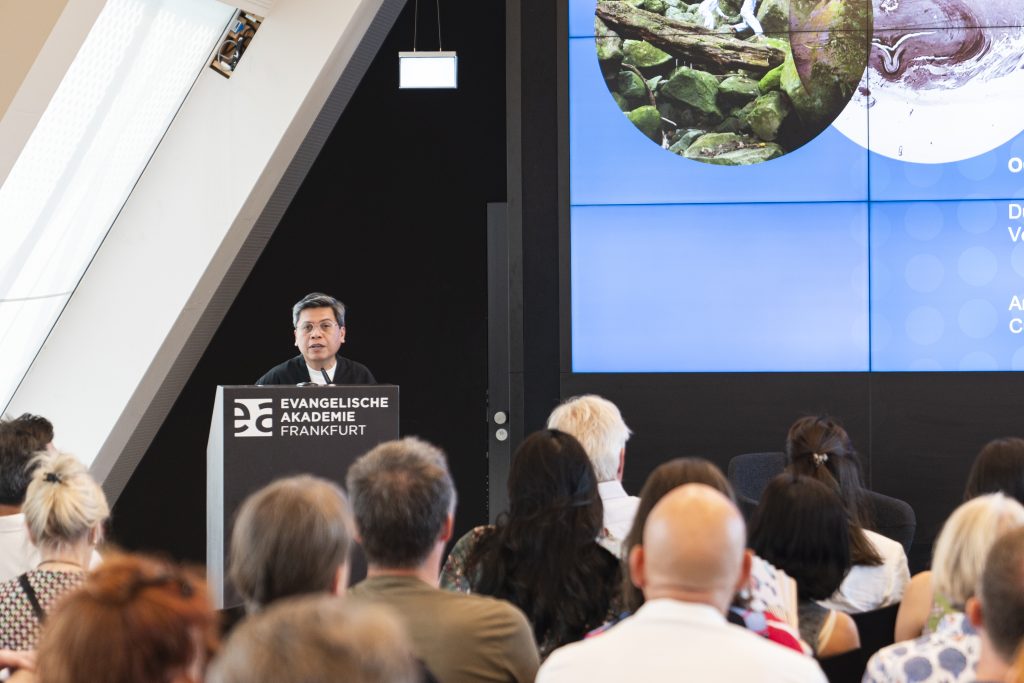
The Philippines’ presence will extend beyond its pavilion. A 300-sqm National Stand will feature thousands of titles for rights sales and international distribution, a clear signal of the country’s intent to become a serious player in the global publishing market. The Asia Stage, co-hosted with Rex Education, will also foster regional dialogue, highlighting the Philippines’ role within its Southeast Asian neighborhood.
A Multi-Sensory Cultural Offering
The PhlGoH program is not confined to the Frankfurt Book Fair itself. It’s a year-long cultural festival that will span multiple German cities, including Heidelberg and Berlin. The goal is to offer a deeper, more immersive experience of Philippine culture.
Exhibitions like Sulog: Filipino Architecture at the Crosscurrents at the Deutsches Architekturmusem (DAM) and New Beginnings: Philippine Photographic Art at the Fotografie Forum Frankfurt (FFF) will showcase the country’s visual arts. The program will also explore traditional storytelling traditions, such as the Pasyon and the beloved Mga Kuwento ni Lola Basyang (Stories of Grandmother Basyang), at Haus am Dom.
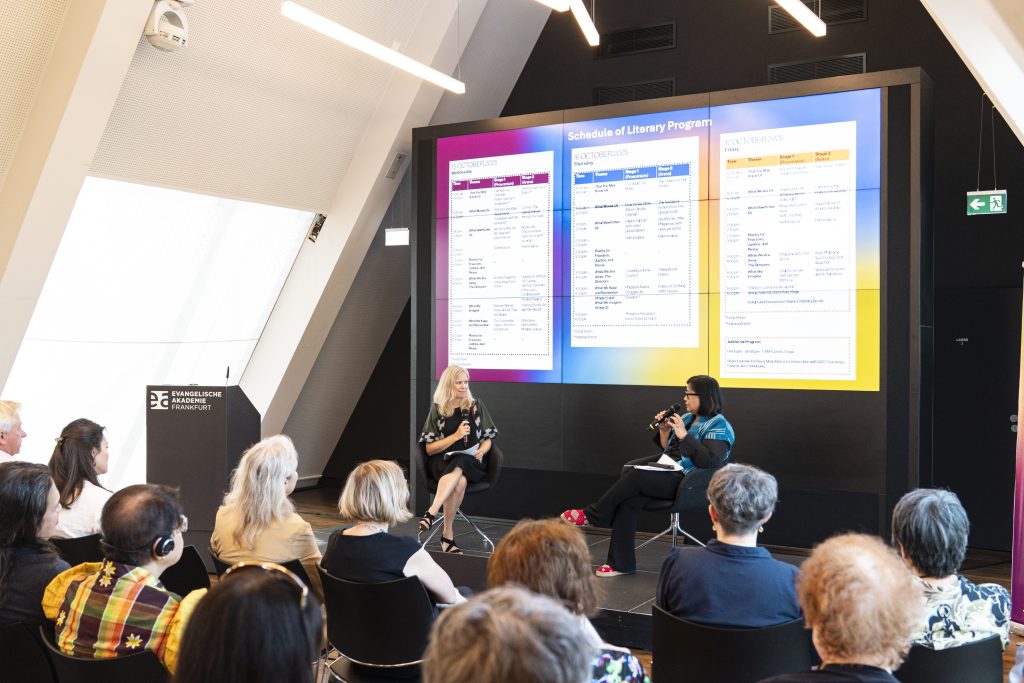

Performances will be another highlight. The internationally acclaimed The Philippine Madrigal Singers will perform, while contemporary artist Eisa Jocson will lead a unique festival called Sincerely Yours, the Philippines – Festival for Dance, Performance and Karaoke. Film buffs can look forward to a series by renowned directors Kidlat Tahimik and Nick Deocampo.
This comprehensive cultural program, from sound installations to new publications on Rizal, is a deliberate effort to show the world that Philippine creativity is multifaceted and dynamic. It’s an invitation to engage with the nation’s rich history and vibrant contemporary scene on multiple levels.
The Philippines’ Guest of Honour program at the Frankfurter Buchmesse 2025 is more than just an exhibition; it is a nation asserting its voice on the global stage, showing that its imagination, born from a history of resilience and struggle, is not one that escapes reality. Instead, as Senator Legarda asserts, it is an imagination that “questions, it dreams, and it dares,” offering a clear-eyed vision of the world as it is and a hopeful glimpse of what it could yet become.
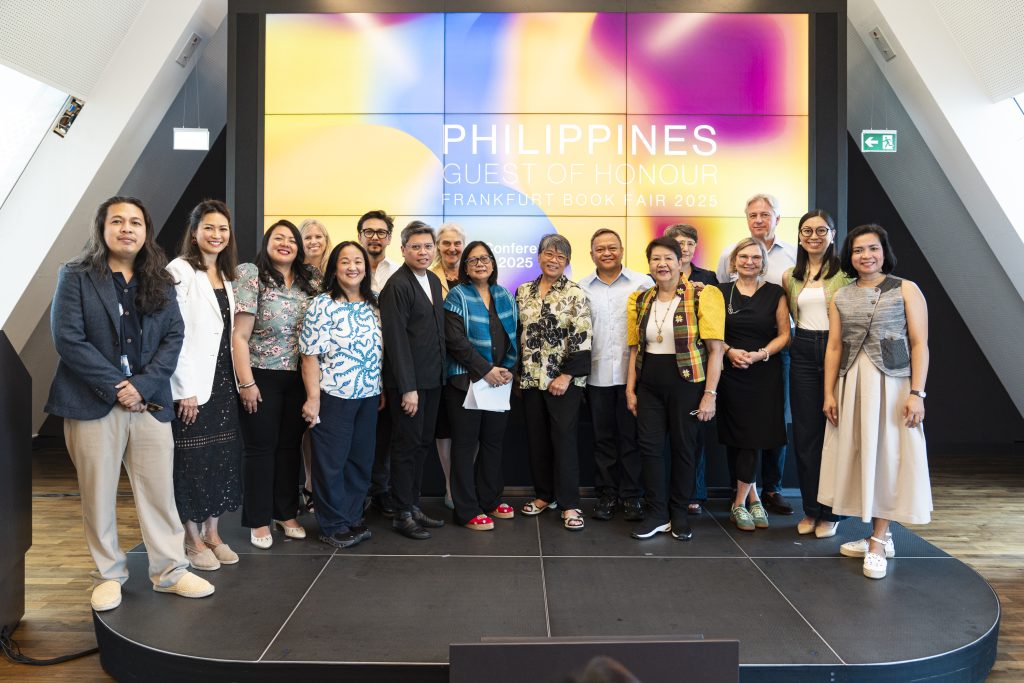
The Philippine Guest of Honour presentation (PHLGoH2025) at Frankfurter Buchmesse 2025 is a collaborative undertaking if the National Book Development Board (NBDB), National Commission for a culture and the Arts (NCAA), Department of Foreign Affairs (DFA), and the Office of Senator Loren Legarda.
More information and full event details can be found in the official website, philippinesfrankfurt2025.com. Stay updated through official social media channels @philippinesfrankurt2025 on Instagram, Facebook, TikTok, YouTube, and LinkedIn.